Is USPS Affected by Government Shutdown? What Mail Users Should Expect
Reported by The Capitol Watch Editorial Team. Review our editorial standards, corrections policy, and newsroom mission.
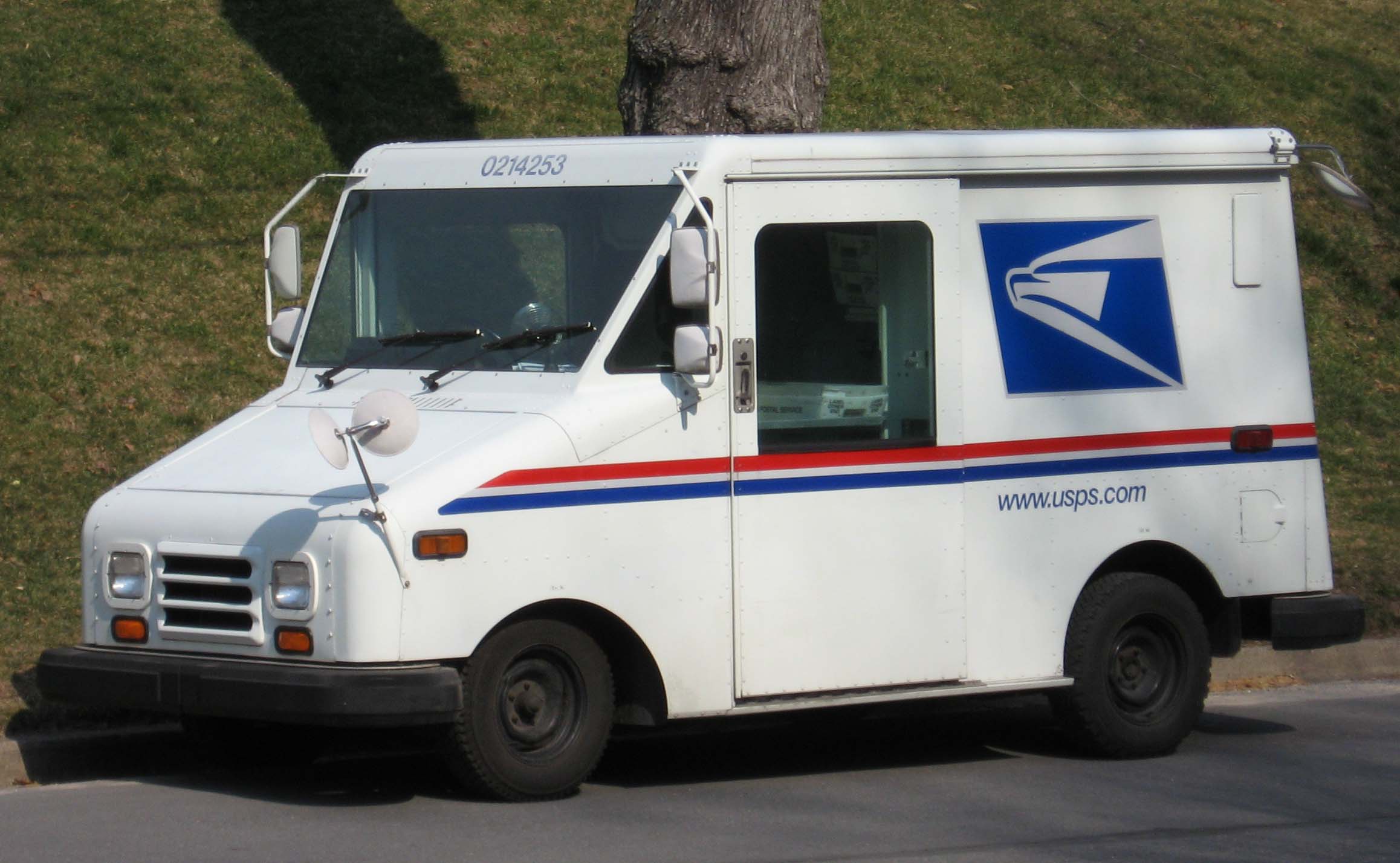
Is USPS affected by government shutdown is usually answered with no for regular delivery, because USPS operations typically continue and post offices generally stay open. The higher risk is indirect: agencies like IRS, State Department, or benefit offices can slow document processing, which means your letter enters the mail later even when carriers stay on schedule.
Is USPS affected by government shutdown questions spike every time Congress nears a funding deadline, and the confusion is understandable because people conflate federal agencies that depend on annual appropriations with USPS, which runs through the Postal Service Fund and postal revenue. If you are waiting on tax notices, passport paperwork, benefit letters, legal documents, or medication shipments, your practical risk model should separate postal-network operations from agency production delays. This guide explains that split in plain terms, with a household checklist you can use during fast-moving shutdown headlines.
The official USPS statement has stayed consistent in recent cycles: operations are not interrupted and post offices remain open during a shutdown. Congressional Research Service references and USPS OIG shutdown planning documents point to the same underlying structure: USPS does not cease operations during a lapse in annual appropriations because it is funded under a permanent no-year appropriation framework tied to postal revenue, while separate oversight or support entities can face different constraints. That distinction is not legal trivia; it is the reason many Americans still receive regular mail during a shutdown news cycle.
Is USPS affected by government shutdown?
For normal retail and delivery operations, usually no. In a typical federal funding lapse, the Postal Service keeps delivering letters and packages, local post offices remain open, and core tracking systems continue running. The better framing is that USPS is less shutdown-sensitive than agencies that rely on annual discretionary appropriations. This does not mean "nothing can go wrong"; weather events, local staffing constraints, transportation bottlenecks, and facility incidents can still create delays, but those are operational conditions rather than a direct shutdown closure of USPS itself.
Where people get tripped up is by mixing two realities. Reality one: USPS route operations continue. Reality two: many government agencies that generate outbound mail can slow, so you might experience a delay in receiving a notice, check, passport update, or adjudication letter. In other words, the envelope may not be late because the carrier failed; it may be late because it was produced later upstream. That difference changes what you should monitor and who you should call first when something is delayed.
| Question people ask | Typical shutdown reality | Best verification source |
|---|---|---|
| Does mail stop during a government shutdown? | Usually no, standard USPS delivery continues | USPS newsroom statements and service alerts |
| Are post offices open? | Generally yes, normal retail windows remain open | Local USPS location status plus USPS statement |
| Why did my government letter arrive late? | Often agency processing lag before mailing | The sending agency's shutdown guidance |
| Can packages still be scanned and tracked? | Usually yes, network tracking remains active | USPS tracking and service-alert pages |
Why does USPS usually keep moving when other agencies pause?
The policy answer is funding architecture. USPS is an independent establishment and, unlike many departments, covers most operating expenses through postage and service revenue deposited into the Postal Service Fund. Because it is not structured as a typical annually appropriated agency for day-to-day mail operations, a lapse in annual appropriations does not automatically turn into postal-network shutdown. That legal and budget design is why shutdown headlines can be severe while your letter carrier still shows up on schedule.
The scale of that operating footprint also matters for risk assessment. USPS reports service to roughly 168.6 million delivery points and more than 31,000 postal-managed retail offices, plus contract locations beyond that count. A system this large still experiences local disruptions, but those are usually localized events managed within network continuity rather than a national stop-order triggered by appropriations lapse language.
There is one nuance worth keeping: the statement "USPS continues" applies to postal operations, not every institution connected to the postal ecosystem. Oversight, litigation support, some interagency processes, and specific administrative workflows may operate under different rules. So when reading "not affected," interpret it as a mail-network continuity claim, not a guarantee that every government document pipeline will move at normal speed.
Does the post office close during government shutdown, or only certain services?
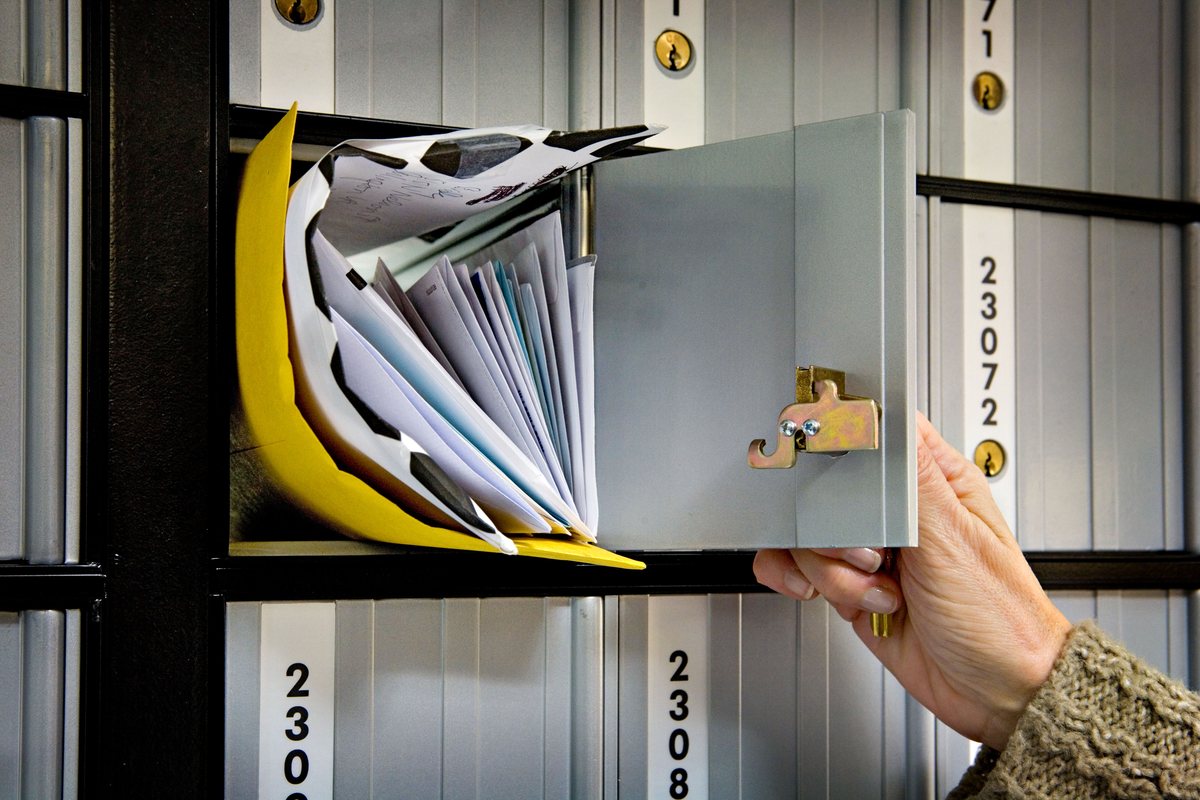
People often search "does post office close during government shutdown" because they need a binary answer before paying bills or shipping time-sensitive items. The practical answer is that post offices generally remain open and core mail services continue. You can usually buy postage, ship parcels, check P.O. boxes, and receive carrier delivery under standard schedules. Treat shutdown rumors that claim all 31,000-plus post offices are closing as misinformation unless USPS publishes a specific emergency service advisory.
Services that usually continue
- First-Class Mail, Priority Mail, and most standard package streams.
- Retail-counter transactions and most lobby-based activities.
- Carrier route delivery and normal scan/tracking visibility.
- P.O. Box access and pickup workflows.
Areas where users still see friction
- Mail from agencies processing paperwork with reduced staffing.
- Passport-adjacent processes if Department of State functions slow (see our passport processing shutdown guide).
- Paper tax correspondence timing during IRS processing shifts (see our tax refund delays analysis).
- International handoffs when customs, security, or partner-network processes face separate constraints.
If you need one operating rule, use this: USPS delivery continuity is usually high, but the source document pipeline can be unstable. That is why someone waiting for a benefit notice may feel "mail is slow" while neighboring households receive routine shipments on time.
Can a shutdown still delay checks, IRS notices, or passport letters?
Yes, indirectly, and this is where most consumer frustration comes from. A shutdown can slow or pause work at the agency generating the document, which then shifts mailing timelines. If fewer personnel are adjudicating cases, printing notices, or releasing batches, USPS cannot deliver what has not entered the network yet. The household experience looks like postal delay, but the bottleneck happened before induction into USPS mail flow.
A simple way to diagnose the bottleneck is to ask three timing questions. First: has the sending agency confirmed your item was issued? Second: do you have a USPS scan event or only an agency status page? Third: are similarly dated items from the same agency being reported as delayed by other recipients? If agency issuance is unconfirmed, your next call should be to the agency, not your local postal branch. If issuance is confirmed and scan events stall, then USPS service alerts and local processing updates become the right channel.
Shutdown confusion drops when you separate "document created" from "document delivered." USPS controls the second step; agencies control the first.
This matters for planning around deadlines. If a filing, payment, or renewal date is hard, do not wait for paper mail when shutdown risk is elevated. Use online account portals, download statements directly, and capture confirmation numbers. During high-uncertainty weeks, digital confirmation is usually stronger evidence than waiting for an envelope that may be delayed upstream.
| Expected item | Most common delay point during shutdown | What to do immediately |
|---|---|---|
| Tax notice or refund letter | IRS processing queue | Check IRS account and transcript tools first |
| Passport-related mail | Agency adjudication and print cycle | Check passport status online and expedite options |
| Benefit eligibility letters | Agency case production backlog | Use agency portal and hotline for issuance date |
| Court or legal correspondence | Clerk processing schedule | Verify docket/filing portal before assuming postal failure |
How to verify shutdown claims before they disrupt your plans
Because shutdown rumor cycles spread quickly, verification discipline saves time and money. Start with primary sources. USPS publishes direct statements when funding deadlines approach, and those statements are clear about continuity. For policy mechanics, Congressional Research Service materials and official congressional references are better than social posts that recycle partial screenshots. For oversight and contingency nuance, USPS OIG planning documents explain what does and does not cease under a lapse.
Next, check operational evidence. If claims say "mail has stopped nationwide," look for service-alert maps, scan-level disruption indicators, and geographically consistent reports. National stoppage claims without corresponding USPS alert evidence are usually incorrect. Finally, separate recurring disruptions from shutdown effects: extreme weather, peak-season surges, and local staffing shortages can produce visible delays independent of appropriations politics.
This same verification habit improves decisions in adjacent areas. If you are also flying, use our TSA shutdown explainer to compare aviation-specific staffing risk. If you need whole-of-government context, use our government shutdown tracker for vote timing and agency impacts. Cross-checking across services prevents one false claim from cascading into missed travel, late payments, or unnecessary panic purchases.

What changes if the shutdown is prolonged?
For USPS core operations, prolonged shutdowns still do not automatically convert into full postal closure. But prolonged political standoffs can increase indirect pressure in three ways: larger agency backlogs, more consumer confusion, and higher call volume for customer support channels that are already saturated. In a long lapse, households should expect mixed realities: normal delivery in many locations, but slower agency-origin mail and a heavier burden on recipients to verify status across multiple systems.
Risk signals to watch during week 3 and beyond
- Rising reports of delayed agency notices without corresponding USPS network outages.
- More frequent updates from agencies about reduced processing capacity.
- Increased dependence on online account notices instead of paper correspondence.
- Longer customer-support response times across multiple federal services.
Households and small businesses can reduce this risk by moving from passive receipt to active monitoring: subscribe to USPS tracking notifications, use informed-delivery tools where available, maintain digital copies of key records, and preserve deadline buffers for tax, licensing, and travel tasks. For business senders, publish customer-service updates that clearly separate shipment transit from agency paperwork dependencies so clients know which timeline is actually at risk.
Action checklist: what to do this week if shutdown headlines intensify
- Confirm your critical incoming documents and whether each has been issued yet by the sending agency.
- If an item is not yet issued, switch to the agency portal and phone workflow instead of waiting for mail.
- Track USPS scans directly for items already inducted into the mailstream.
- Use hard-copy backup mailing for legal deadlines only when portal filing is unavailable.
- Capture timestamps, screenshots, and confirmation numbers for every deadline-sensitive interaction.
- Cross-check major claims with official USPS statements and congressional reference material before reacting.
These steps are intentionally practical. They do not assume every household can spend hours decoding appropriations law. They are designed to preserve control over deadlines and records when public information quality is uneven.
FAQ: is usps affected by government shutdown
Is USPS affected by government shutdown?
Usually, no for core delivery and retail operations. USPS has repeatedly stated that operations continue and post offices stay open during funding lapses because postal operations are funded differently from most annually appropriated agencies.
Does mail stop during a government shutdown?
In most cases, USPS mail does not stop. However, mail from federal agencies can be delayed if those agencies slow processing before documents are mailed.
Are post offices open during a government shutdown?
Generally yes, including routine counter services. Always verify local conditions for weather or emergency events, which can cause local closures unrelated to shutdown status.
Why is USPS treated differently from many agencies in shutdowns?
USPS is structured around postal revenue and the Postal Service Fund rather than relying on annual discretionary appropriations for normal operations. That funding design supports continuity during federal appropriations lapses.
Can a shutdown still delay my government mail even if USPS is running?
Yes. If the originating agency slows adjudication or print cycles, your document may enter the mail later. In those cases, checking agency status pages is often more useful than contacting your local post office first.
Bottom line
For most households, USPS government shutdown mail delivery remains active even when broader federal funding fights dominate headlines. The actionable risk is indirect delay from agency processing, so the most effective strategy is to verify issuance status upstream, track scans downstream, and keep deadline documentation in one place.