School Lunch Government Shutdown: Will Free Meals Continue for Students?
Reported by The Capitol Watch Editorial Team. Review our editorial standards, corrections policy, and newsroom mission.
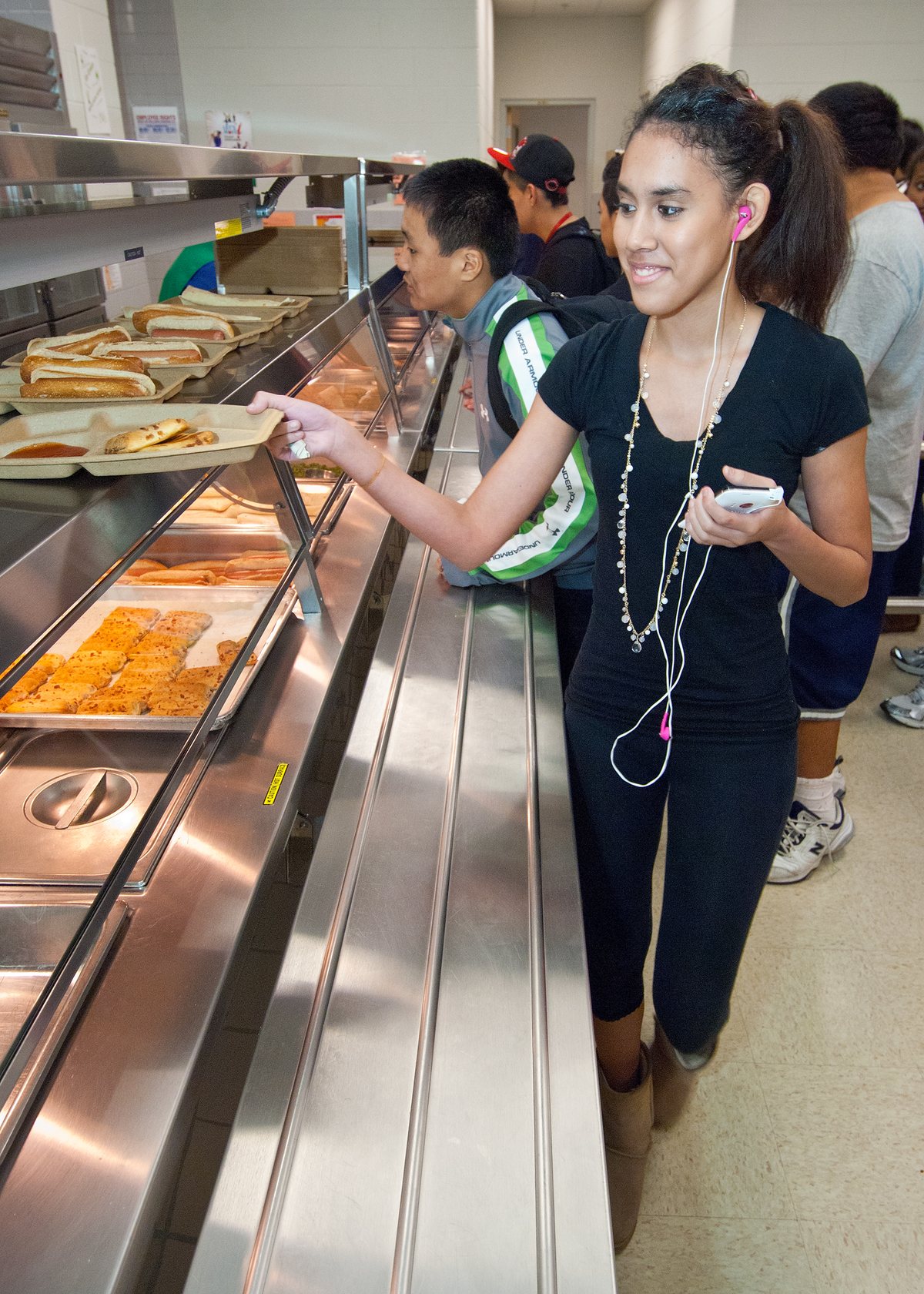
School lunch government shutdown disruptions are usually delayed rather than immediate because districts can often keep meal service running while federal decisions are pending. The biggest risk for families is a prolonged lapse that slows reimbursements, increases district uncertainty, and triggers tighter local meal account rules.
School lunch government shutdown impacts depend less on day-one headlines and more on whether districts can keep operating smoothly while federal appropriations are unresolved. For most families, free school meals during shutdown periods continue in the near term through existing National School Lunch Program and School Breakfast Program operations, but the stress point is reimbursement timing and district cash-flow management. If you have read our SNAP benefits shutdown guide and WIC benefits shutdown guide, this page focuses specifically on K-12 meal service risk, district-level warning signs, and practical actions parents can take before delays become bigger household disruptions.
In the United States, the National School Lunch Program and School Breakfast Program serve tens of millions of children each school day. USDA reports NSLP participation around 30 million students daily, which makes continuity during federal budget disruptions a core operational issue for districts and families. For households that rely on breakfast and lunch at school, service continuity affects more than convenience: it affects nutrition quality, attendance, concentration, and out-of-pocket grocery costs that can rise quickly when families need to replace meals at home.
The common public question is simple: will school lunch stop? The accurate answer is nuanced: usually not at first, but prolonged funding lapses raise risk through administrative and reimbursement pressure. Families should treat school meal continuity as a timeline problem. Day one and week four do not look the same operationally, and districts communicate risk in phases. This explainer breaks those phases down, compares likely scenarios, and provides a family action checklist that works whether your district uses standard eligibility workflows or Community Eligibility Provision schoolwide free meals.
Does school lunch stop during a government shutdown?
In most districts, school lunch does not stop immediately during a federal shutdown. School meal programs are administered through established state and district channels, and operations can continue while agencies assess funding authority and reimbursement timing. Immediate continuity does not guarantee zero disruption later. The principal risk is that a long shutdown can create uncertainty around reimbursement processing windows and district operating assumptions.
Parents should avoid two common mistakes. The first is assuming a national headline applies identically to every district. The second is waiting for a formal closure alert before planning. Most disruptions begin as softer signals: changes to menu flexibility, reminders to clear meal account balances, delayed communications from nutrition offices, and cautions about future reimbursement cycles. Those signals usually appear before any hard stop in service.
| Shutdown phase | Likely school meals status | Family risk level | Best parent action |
|---|---|---|---|
| Days 1-7 | Meals generally continue as scheduled | Low | Monitor district updates and confirm account status |
| Week 2-3 | Operational caution language increases | Moderate | Submit or renew meal forms and ask about hardship policy |
| Week 4+ | Higher reimbursement uncertainty | Elevated | Prepare backup meal budget and local food support options |
| After funding deal | Meals continue but admin backlog possible | Moderate | Verify balances, recheck eligibility notices, keep records |
How the National School Lunch Program works during shutdown risk
Understanding shutdown risk requires understanding program mechanics. The NSLP and SBP are federally supported but locally executed: USDA sets federal policy and reimbursement structures, state agencies administer agreements and oversight, and local school food authorities operate cafeterias, vendors, staffing, and family communications. Because service is delivered locally, districts can often continue normal operations while federal negotiations are unresolved, especially in early phases.
Where disruption pressure appears first
Reimbursement timing: Districts front day-to-day service operation and rely on predictable reimbursements. Uncertainty around processing cadence increases finance pressure even if meals are still served.
Administrative staffing: Federal and state staffing constraints can slow guidance updates, waiver decisions, and technical support, creating local uncertainty about how long assumptions hold.
Local budget posture: Districts with stronger reserves or stable state supplements can absorb uncertainty longer; districts with tighter cash management may issue cautionary notices faster.
This is why two families in neighboring districts can receive different messages in the same week. Program rules are national, but fiscal resilience is local. A district with robust reserves may communicate confidence for several weeks, while another district can issue proactive account and contingency notices earlier. Parents should prioritize direct district nutrition updates over generalized social media summaries.

Are free school meals still available during a shutdown?
In most places, yes at first. If your child is already approved for free or reduced-price meals, that eligibility typically remains active during near-term shutdown periods. In CEP schools, meals continue to be offered schoolwide, which can reduce family-level paperwork stress. Uncertainty grows if shutdown duration increases and reimbursement operations face sustained pressure.
For parents, the most actionable point is administrative readiness. Even when service is stable, incomplete household applications, outdated contact information, and unresolved meal account issues can create avoidable friction. During uncertain periods, district staff handle higher communication volume, so families with clean records and current paperwork usually resolve issues faster.
What families in non-CEP schools should do now
- Confirm your free or reduced-price approval status in the district portal.
- Update parent email and phone contacts used by the nutrition office.
- Ask whether your district has a courtesy meal policy for temporary hardship.
- Keep documentation of application submissions and notices.
- Check if your district offers online meal balance alerts.
What families in CEP schools should do now
- Verify whether your child attends a CEP-designated campus this school year.
- Track district board updates for meal service operational changes.
- Monitor special communications about menu flexibility and service timing.
- Identify backup breakfast and lunch options for weather or schedule disruptions.
CEP lowers paperwork risk but districts still depend on reimbursement and operational continuity. The best approach is confidence plus contingency: assume service continues, but prepare for temporary friction in communication, menu options, or scheduling if shutdown conditions persist.
What should parents do if school meal reimbursements are delayed?
If district messaging shifts from routine to contingency language, parents should move quickly but calmly. The objective is to prevent household-level surprises by securing information and modest backup options before pressure peaks. Most families do not need dramatic responses; they need clear sequencing and documented communication.
48-hour parent response plan
- Read your district nutrition update in full and save a copy.
- Check child meal account balances and clear any small negative balances.
- Confirm free or reduced-price status and submit pending documents.
- Ask whether courtesy meals continue during funding uncertainty.
- Build a one-week backup lunch plan with low-cost shelf-stable options.
- Locate nearby emergency food resources through local school or county listings.
- Set a reminder to recheck district updates every 24 hours.
If your district starts sending meal-specific notices more than once per week, treat that as elevated operational monitoring. It does not mean meals are stopping tomorrow, but it does mean district planning assumptions are moving. Families that act early preserve optionality and avoid last-minute stress shopping.

Does the Community Eligibility Provision change shutdown risk?
Yes, but in specific ways. CEP lowers family-level eligibility friction because participating schools provide meals to all students without individual free/reduced applications. During shutdown anxiety, that can reduce confusion for households that might otherwise worry about application timing. CEP does not remove district dependence on reimbursement systems and program administration.
For districts, CEP can simplify communication because the message to families is consistent: meals remain available for all enrolled students at CEP schools. Districts still need to manage procurement, staffing, and budget assumptions as federal conditions evolve. For families, CEP is an access stabilizer, not a complete financial shield.
| Issue | Non-CEP schools | CEP schools | Parent takeaway |
|---|---|---|---|
| Family eligibility paperwork | Required for free/reduced status | Not required for meal access | CEP lowers household admin burden |
| Risk from reimbursement uncertainty | Present | Present | District-level fiscal management still matters |
| Communication complexity | Higher | Lower | CEP messages are often simpler for families |
| Need for backup planning | Moderate to high | Moderate | All families still need basic contingency plans |
How school lunch compares with other shutdown-affected services
School meal continuity behaves differently from direct household cash-equivalent programs and agencies that can furlough staff quickly. School lunch coverage should not be inferred from unrelated program headlines. For context, compare this page with our Head Start shutdown guide, where classroom closures can move rapidly if payroll timing breaks, and our unemployment benefits shutdown guide, where state-by-state filing rules create a different risk map.
School meals are tied to district schedules and vendor systems running daily. Other programs can be driven more directly by benefit issuance timing or agency adjudication workflows. For school lunch, the most useful question is: what has my district said this week, and what is the contingency path if reimbursements slow?
District warning signals families should watch each week
Families can monitor a short set of indicators to avoid surprises. These indicators are not predictions; they are early operational signals that districts are managing a tighter environment.
Signal checklist
- District nutrition office sends higher-frequency updates than usual.
- Meal account policies or reminders become more prominent in communications.
- Board packets mention school nutrition cash flow or reimbursement timing.
- Menu flexibility announcements appear across multiple campuses.
- Response times from nutrition services lines increase materially.
- District posts temporary guidance about account balances or meal charging.
If you see two or more signals in the same week, move from passive monitoring to active preparation. That means updating paperwork, checking balances, and creating a low-cost five-day backup lunch plan. For many families, this takes under one hour and reduces uncertainty significantly.
FAQ: school lunch government shutdown questions
Does school lunch stop during a government shutdown?
Usually not at first. Most districts continue meal service while federal budget negotiations continue, but longer shutdowns can increase reimbursement and operational pressure.
Are free school meals still available during a shutdown?
In many districts, yes, especially early in a shutdown period. Families should still follow district nutrition updates because implementation details can vary locally.
How is the National School Lunch Program funded during a shutdown?
The program relies on federal appropriations and reimbursements administered through USDA and state agencies. Local schools run day-to-day operations and monitor reimbursement timing risk.
What should parents do if school meal reimbursements are delayed?
Check district notices, confirm account and eligibility status, ask about courtesy meal policies, and set a short backup lunch plan. Early communication prevents avoidable disruptions.
Does the Community Eligibility Provision change shutdown risk?
CEP reduces family paperwork risk because meals are available to all students in participating schools. Districts still face reimbursement and operational planning risk in extended shutdowns.