Federal Courts During Government Shutdown: What Stays Open and What Slows
Reported by The Capitol Watch Editorial Team. Review our editorial standards, corrections policy, and newsroom mission.
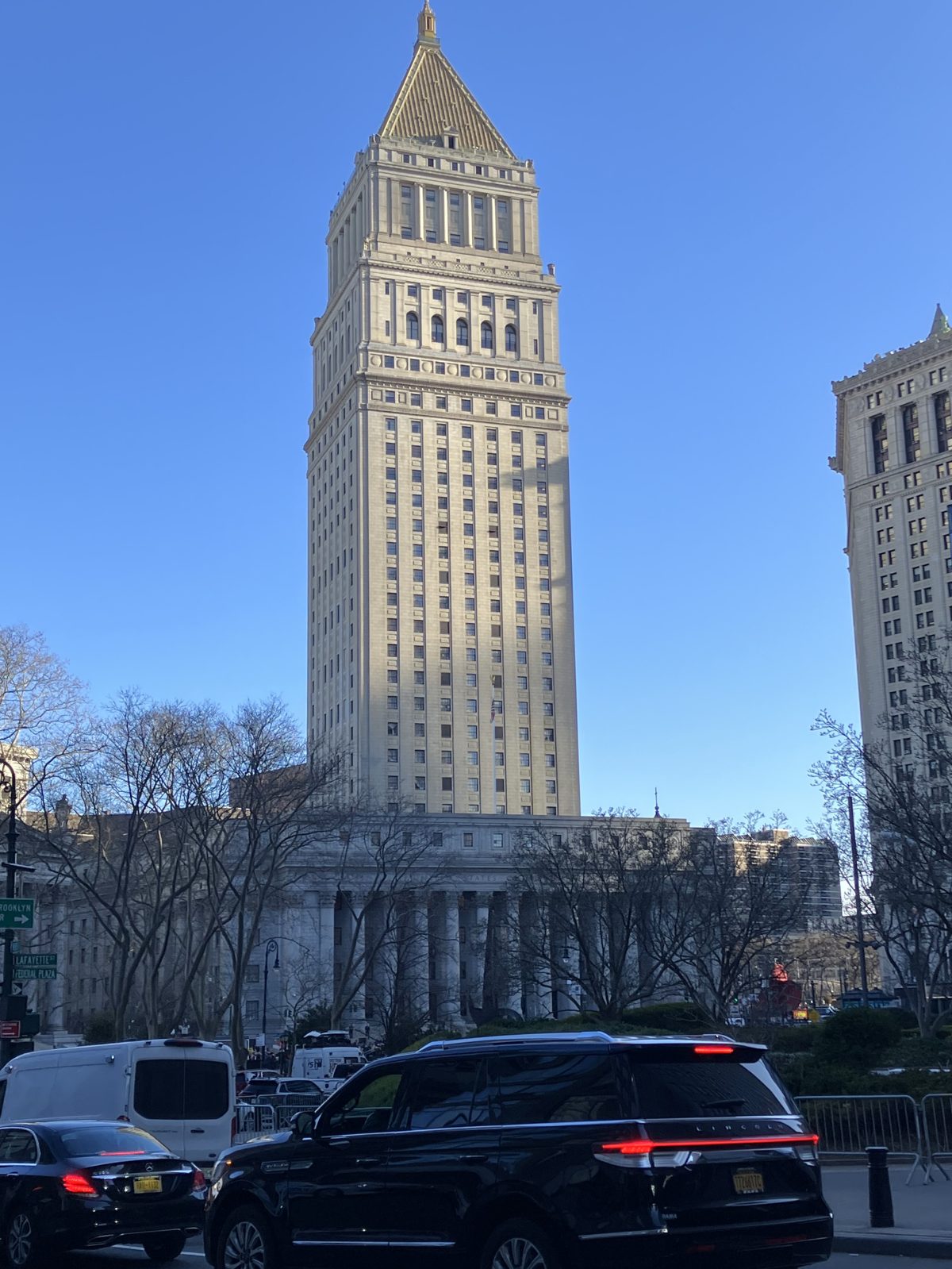
Federal courts during government shutdown periods are usually open at first, with judges prioritizing criminal, emergency, and constitutionally required proceedings. The real risk is not day one but extended shutdown duration, when staffing pressure and budget constraints can slow civil calendars, clerk workflows, and administrative services.
Federal courts during government shutdown periods do not follow the same script as many executive-branch agencies, and that difference drives most public confusion. The federal judiciary has historically continued core court operations in early shutdown windows, even while other federal services pause, because courts prioritize criminal proceedings, constitutional obligations, and active docket continuity. For readers tracking practical risk, the better question is not only whether courts are "open," but which functions stay fully operational, which slow first, and how long that balance can hold if a lapse lasts multiple weeks.
That distinction matters for litigants, attorneys, pro se filers, employers, and households waiting on time-sensitive hearings. If you already use our government shutdown tracker for vote timing and service impact, this page drills into judicial operations: filing systems, deadlines, hearing priorities, bankruptcy workflows, and what operational signals indicate rising disruption risk. It also complements our federal workers pay guide and passport processing explainer, because court access issues often intersect with employment and travel disputes during prolonged federal funding fights.
Are federal courts open during a government shutdown?
In most shutdown scenarios, yes at the start. The Administrative Office of the U.S. Courts has repeatedly signaled that courts can continue operations for a limited period under available funding and fee-supported resources, while prioritizing mission-critical functions. In practice, that means criminal dockets, urgent motions, detention hearings, and other required proceedings usually continue with less disruption than non-urgent civil matters.
However, "open" is not the same as "normal." Even when courthouses remain open, staffing layers that support document processing, non-emergency calendar administration, and customer-facing clerk responses can tighten. Courts often shift from routine cadence to contingency posture before announcing visible changes. Litigants who interpret "courts are open" as "business as usual" are the most likely to miss subtle operational changes that affect case strategy.
| Operational area | Early shutdown (days 1-7) | Extended shutdown (week 3+) | Risk to litigants |
|---|---|---|---|
| Criminal proceedings | Generally prioritized and maintained | Still prioritized | Low to moderate |
| Civil calendars | Mostly active with local variation | Higher chance of rescheduling | Moderate to high |
| Clerk office support | Operational but potentially thinner staffing | Longer response windows likely | Moderate |
| Administrative services | Mostly available | Non-essential workflows can narrow | Moderate |
| Public guidance updates | Routine notices | More contingency notices | High if ignored |
What court services slow first in a shutdown?
The first visible stress usually appears in administrative and civil-process layers, not in emergency courtroom activity. Courts are built to preserve due process and constitutional priorities, so the earliest bottlenecks tend to affect routines that can be delayed without immediate constitutional conflict: scheduling mechanics, non-urgent chambers workflows, and clerical processing timelines.
Civil docket management often tightens first
In civil litigation, judges and clerks can adjust hearing dates, briefing schedules, and conference timing where the rules allow. Those adjustments are rarely random; they are deliberate capacity controls. If your case is civil and not emergency-labeled, treat every scheduling notice as operationally meaningful, especially if local standing orders mention constrained staffing.
Clerk office responsiveness may become uneven
Most clerk offices remain reachable during short shutdowns, but response speed can change. Phone queues, document intake processing, and same-day procedural clarifications may take longer. For represented parties, this changes planning rhythms: file earlier, verify receipt, and reduce dependence on last-minute procedural calls.
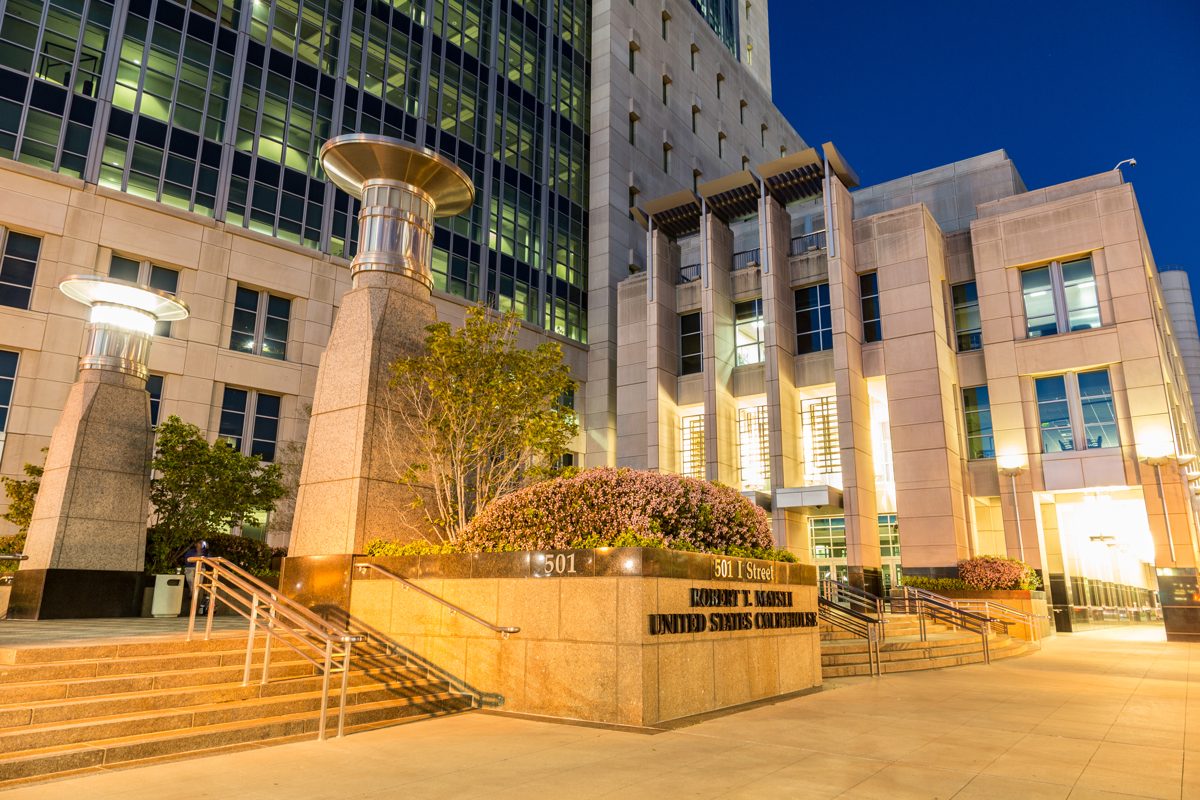
Do filing deadlines change during a shutdown?
Usually no, unless a specific court order says otherwise. This is one of the most expensive shutdown misconceptions in active litigation. Parties sometimes assume a broad federal shutdown automatically tolls deadlines. In federal court practice, that assumption is unsafe. Deadlines set by the Federal Rules, local rules, or case-specific scheduling orders typically remain enforceable unless the court explicitly modifies them.
For attorneys and pro se litigants, the operational rule is straightforward: assume deadlines stand, monitor docket notices daily, and file early when feasible. If a real filing barrier emerges, document it immediately and evaluate whether a targeted extension motion is appropriate under the applicable rule and local practice. Courts are more receptive to specific, documented constraints than generalized references to national shutdown headlines.
Practical rule: if no docket notice changes your deadline, treat your deadline as unchanged and plan backward with a buffer.
How ECF and PACER fit into shutdown planning
Electronic filing access through CM/ECF and docket monitoring through PACER are critical continuity tools during shutdowns. If your district posts any system maintenance or limited-hours guidance, do not wait until filing day to test account access, payment methods, and upload workflows. In prolonged disruptions, the cost of preventable filing friction can be higher than the cost of earlier preparation.
How criminal, civil, and bankruptcy matters are treated differently
Not all dockets face equal pressure. Courts prioritize by legal necessity and immediate rights impact, and that triage structure explains why two cases in the same courthouse can have different experiences during the same week of a shutdown.
| Docket type | Typical shutdown priority | Likely operational posture | What parties should do |
|---|---|---|---|
| Criminal | Highest | Core hearings generally proceed | Coordinate daily with counsel and monitor detention-related notices |
| Civil | Variable | More susceptible to timing adjustments | Build deadline buffers and prepare alternative hearing windows |
| Bankruptcy | Moderate to high | Often active with district-specific constraints | Watch trustee and district notices; verify filing and hearing logistics |
| Appellate | Moderate | Case-by-case calendar impacts | Track circuit announcements and panel scheduling updates |
For bankruptcy specifically, shutdown coverage is often too broad. Bankruptcy courts are part of the judiciary, and many continue functioning initially, but procedural tempo can vary by district volume, staffing posture, and local directives. Debtors, trustees, and creditors should follow district-level notices rather than relying on national summaries alone.
What happens if a shutdown lasts more than two weeks?
The risk profile changes from "continuity with caution" to "continuity under pressure." In the first week, courts can usually preserve expected service levels. Beyond that, local courts may begin deeper triage: tightening hearing calendars, narrowing non-essential administrative services, and reallocating staff toward critical functions. This does not always produce immediate closures, but it does increase process friction.
For active cases, week three and beyond is where disciplined case operations matter most. Parties that keep clean timelines, written confirmations, and early filing habits usually avoid the largest shutdown-related disruptions. Parties that depend on late-cycle corrections or informal timing assumptions are more exposed.
Five signals that disruption risk is increasing
- District notices shift from informational language to contingency-specific instructions.
- Civil hearings begin moving in clusters instead of one-off adjustments.
- Clerk communications emphasize limited staffing or delayed non-urgent responses.
- Standing orders reference prioritization categories more explicitly.
- Local bar associations publish emergency procedural reminders for members.
How to build a shutdown-proof litigation checklist
A shutdown plan is not a political forecast. It is a case operations checklist designed to reduce avoidable procedural risk. The best plans are simple, written, and assigned to specific people on a legal team or household.
Case operations checklist
- Create a single deadline tracker with rule source, due date, and filing owner for each obligation.
- Set internal draft deadlines at least 48 hours before court deadlines in active matters.
- Save local court shutdown notices and standing orders in a shared case folder.
- Confirm CM/ECF credentials and billing setup before any critical filing window.
- Document all clerk-office guidance in writing, with date, time, and contact channel.
- Prepare short extension templates that can be tailored if district operations change.
- Coordinate with opposing counsel early on practical scheduling alternatives.
This checklist is especially useful for small firms and pro se litigants who do not have dedicated docketing staff. It also aligns with the same planning discipline we recommend in our shutdown history timeline: uncertainty is manageable when you convert it into concrete operating steps.
Comparing federal courts to other shutdown-affected systems
Readers often map court risk using analogies from other programs, but those analogies can be misleading. For example, benefits-administration workflows in our Social Security shutdown guide and travel bottlenecks in our TSA shutdown explainer are governed by different operational constraints than Article III courts. Courts prioritize adjudication continuity and constitutional process, while executive agencies may face broader staffing furlough rules.
This does not mean courts are immune. It means disruption pattern is different: less immediate collapse, more gradual friction and triage if the lapse persists. That nuance is where most planning value lives for litigants and journalists.
FAQ: federal courts during government shutdown
Are federal courts open during a government shutdown?
Usually yes at first. Courts generally continue core operations using available funding mechanisms and prioritize proceedings that cannot be deferred without legal harm.
What court services slow first in a shutdown?
Non-urgent civil scheduling and administrative support functions are commonly the first to face pressure, while criminal and emergency proceedings are prioritized.
Do filing deadlines change during a shutdown?
Normally no. Deadlines stay active unless the court issues a specific order changing them, so parties should assume existing due dates remain enforceable.
Are bankruptcy courts open during a shutdown?
Often yes in the early phase, but local procedures and staffing can vary by district. Watch district-level notices and trustee communications closely.
What should litigants do if a shutdown lasts more than 2 weeks?
Move from passive monitoring to active contingency practice: file earlier, preserve written records, confirm every hearing status, and prepare targeted motions quickly if conditions change.