Is TSA Affected by the Government Shutdown?
Reported by The Capitol Watch Editorial Team. Review our editorial standards, corrections policy, and newsroom mission.
Key Takeaways
- Yes, TSA is directly affected by a government shutdown. TSA agents must continue working without pay as "excepted" federal employees.
- During the 2018-2019 shutdown, TSA callout rates doubled from 3% to over 7%, causing significantly longer security lines.
- Flights are not cancelled due to a shutdown, but travelers should expect longer wait times at security checkpoints.
- TSA PreCheck continues to work, but new enrollment and renewals may be delayed.
- Federal workers, including TSA agents, are guaranteed back pay after the shutdown ends.
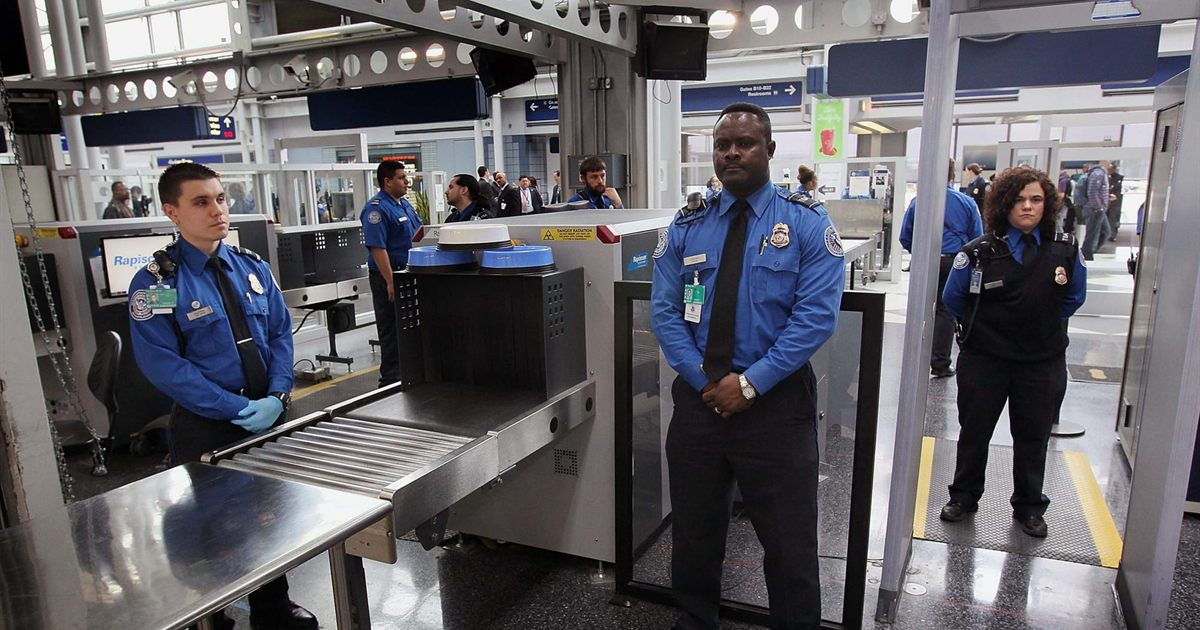
Yes, TSA is affected by a government shutdown. The Transportation Security Administration is a federal agency within the Department of Homeland Security, and its approximately 60,000 officers are classified as "excepted" employees during a government shutdown. This means they are required to continue reporting to work and screening passengers at airport security checkpoints, but they do not receive paychecks until Congress passes funding legislation and the shutdown ends. For the full picture on the current shutdown, see our Government Shutdown Tracker.
The impact on airport operations has been measurable during past shutdowns. When TSA agents work without pay, absenteeism rises, security lines grow longer, and the overall travel experience deteriorates for millions of Americans. Understanding how a shutdown affects the TSA is essential for anyone planning air travel during a funding lapse.
How Does a Government Shutdown Affect TSA?
A government shutdown affects the TSA in several concrete ways that directly impact travelers and airport operations:
- Unpaid work: TSA officers must continue screening passengers and baggage but receive no paychecks during the shutdown. Agents typically live paycheck to paycheck, with an average starting salary of approximately $39,000 per year, making the financial strain acute within the first pay period.
- Increased absenteeism: As the shutdown continues, more TSA officers call in sick or simply stop showing up to work. Many seek temporary paid employment elsewhere or cannot afford transportation costs to get to work without a paycheck.
- Longer security lines: With fewer officers staffing checkpoints, the remaining agents must process the same volume of passengers, leading to significantly longer wait times.
- Potential security concerns: Security experts have raised concerns that fatigued, demoralized, and financially stressed officers may be less effective at identifying threats during screening. However, TSA has maintained that security standards remain fully enforced regardless of the funding situation.
- Hiring and training freeze: New TSA officer recruitment, background checks, and training programs are suspended during a shutdown, which can create staffing gaps that persist even after funding is restored.
Government Shutdown and Flights: What Travelers Should Know
A government shutdown does not ground flights or close airports, but it does create conditions that can significantly disrupt the travel experience. Here is what air travelers need to know when flying during a government shutdown:
- Arrive early. Plan to arrive at least 3 hours before a domestic flight and 4 hours before an international flight. Security checkpoint wait times can be unpredictable during a shutdown.
- Check your airport's status. Some airports are more affected than others depending on staffing levels and passenger volume. Major hub airports (Atlanta, Chicago O'Hare, JFK, LAX, Dallas-Fort Worth) tend to experience the most significant delays.
- Airlines will not cancel flights because of a government shutdown. However, individual flights may experience delays if security checkpoint bottlenecks prevent passengers from reaching gates on time.
- Air traffic control continues. Air traffic controllers are also excepted employees who continue working without pay. The FAA maintains flight operations during a shutdown, though non-essential FAA functions (aircraft certification, some inspections) are suspended.
- Pack smart. Having properly organized carry-on luggage speeds up the screening process. Follow TSA's 3-1-1 liquids rule, remove electronics from bags when instructed, and wear easily removable shoes to help move the line faster.
What Happened to TSA During Past Government Shutdowns?
The 2018-2019 government shutdown, the longest in US history at 35 days, provides the most comprehensive case study of how a shutdown affects TSA operations. The data from that period reveals a clear pattern of escalating disruption:
- Week 1 (December 22-28, 2018): Minimal operational impact. TSA callout rate remained near the normal baseline of approximately 3%. Most agents reported to work as scheduled, though uncertainty about the shutdown's duration began to cause anxiety.
- Week 2 (December 29 - January 4, 2019): TSA callout rates began rising to approximately 4.5-5%. Some airports started reporting modestly longer security lines. The first missed paycheck was still a week away.
- Week 3 (January 5-11, 2019): TSA officers missed their first paycheck. Callout rates climbed to approximately 6%. Houston's George Bush Intercontinental Airport (IAH) closed one terminal checkpoint due to staffing shortages. Wait times at major airports increased noticeably.
- Week 4 (January 12-18, 2019): Callout rates exceeded 7.6%, more than double the normal rate. Multiple airports consolidated checkpoints. Miami International Airport announced plans to close one of its terminals' checkpoints. Food banks set up distribution sites at airports for unpaid TSA workers.
- Week 5 (January 19-25, 2019): La Guardia Airport experienced ground stop delays attributed to air traffic controller staffing shortages. The shutdown ended on January 25 after this disruption made national headlines.
In total, the TSA screened over 51 million passengers during the 35-day shutdown while operating with reduced staff. Despite the challenges, the agency maintained that no security compromises occurred during the period.
Are Other Airport Workers Affected?
TSA agents are not the only airport workers impacted by a government shutdown. Several categories of federal employees affected by the shutdown work in aviation:
- Air traffic controllers (FAA): Approximately 14,000 air traffic controllers are excepted employees who must continue working without pay. Their role is critical to flight safety, and any significant absenteeism among controllers could force the FAA to implement ground stops or reduce flight capacity at affected airports.
- FAA safety inspectors: Non-essential FAA employees, including some safety inspectors, are furloughed during a shutdown. This means certain aircraft inspections, pilot certification processes, and airport safety audits are postponed until funding is restored.
- Customs and Border Protection (CBP): CBP officers at international airports continue processing arriving international passengers but do so without pay. Longer processing times for international arrivals can create cascading delays.
- Federal Air Marshals: Air marshals continue flying during a shutdown as excepted law enforcement officers, but they do so without pay.
What Should You Do If You Are Flying During a Government Shutdown?
- Monitor TSA wait times using the MyTSA app or the TSA's website, which provides real-time checkpoint wait time estimates at major airports.
- Consider travel insurance if you have a tight connection or time-sensitive travel plans. Some policies cover delays caused by government shutdown-related disruptions.
- Use TSA PreCheck or Global Entry if you are enrolled. These programs continue operating during a shutdown and typically have shorter lines.
- Fly during off-peak hours. Early morning and midday flights tend to have shorter security lines than evening departures, and this advantage is amplified during a shutdown.
- Be patient and respectful. TSA officers working during a shutdown are doing so without pay. They are public servants performing essential security functions under difficult circumstances.
FAQ: TSA and the Government Shutdown
Do TSA agents get paid during a government shutdown?
No, TSA agents do not receive paychecks during a government shutdown. They are classified as "excepted" employees who must continue working without pay. After the shutdown ends, they receive back pay under the Government Employee Fair Treatment Act of 2019.
Will my flight be cancelled because of a government shutdown?
Flights are generally not cancelled solely because of a government shutdown. Airlines continue operations and air traffic controllers keep working. However, TSA staffing shortages can cause longer security lines and, in rare cases, delays if passengers cannot reach gates in time.
How long are TSA wait times during a government shutdown?
Wait times vary by airport and shutdown duration. During the 2018-2019 shutdown, callout rates rose from 3% to over 7%, and some major airports reported checkpoint wait times of 60 to 90 minutes or more. Smaller airports generally experience less impact.
Does TSA PreCheck still work during a government shutdown?
Yes, TSA PreCheck continues during a government shutdown and PreCheck lanes remain open. However, new PreCheck and Global Entry applications may face processing delays, and enrollment centers may have reduced hours or temporary closures.
Continue This Coverage
Move from the live funding status page to the vote, workforce, travel, and benefit explainers that answer the next practical question.