Student Loans Government Shutdown: Do You Still Have to Pay in 2026?
Student loans government shutdown impacts usually do not erase your payment due date, because servicer billing and repayment systems typically keep running during federal funding lapses. The bigger risk is slower processing for IDR, PSLF, and escalations, which can trigger preventable delinquency if borrowers wait until a deadline week to act.
Reported by The Capitol Watch Editorial Team. Review our editorial standards, corrections policy, and newsroom mission.
Student loans government shutdown questions have a clear practical core: your account obligations normally continue, but support and processing pathways can slow at exactly the moment borrowers need quick fixes. If you are already tracking federal operations in our government shutdown tracker, think of student debt as an operational continuity issue, not a blanket pause. Most borrowers still owe their monthly amount, autopay still drafts if active, and delinquency rules still apply unless your account already has deferment, forbearance, or a qualifying zero-dollar income-driven repayment calculation.
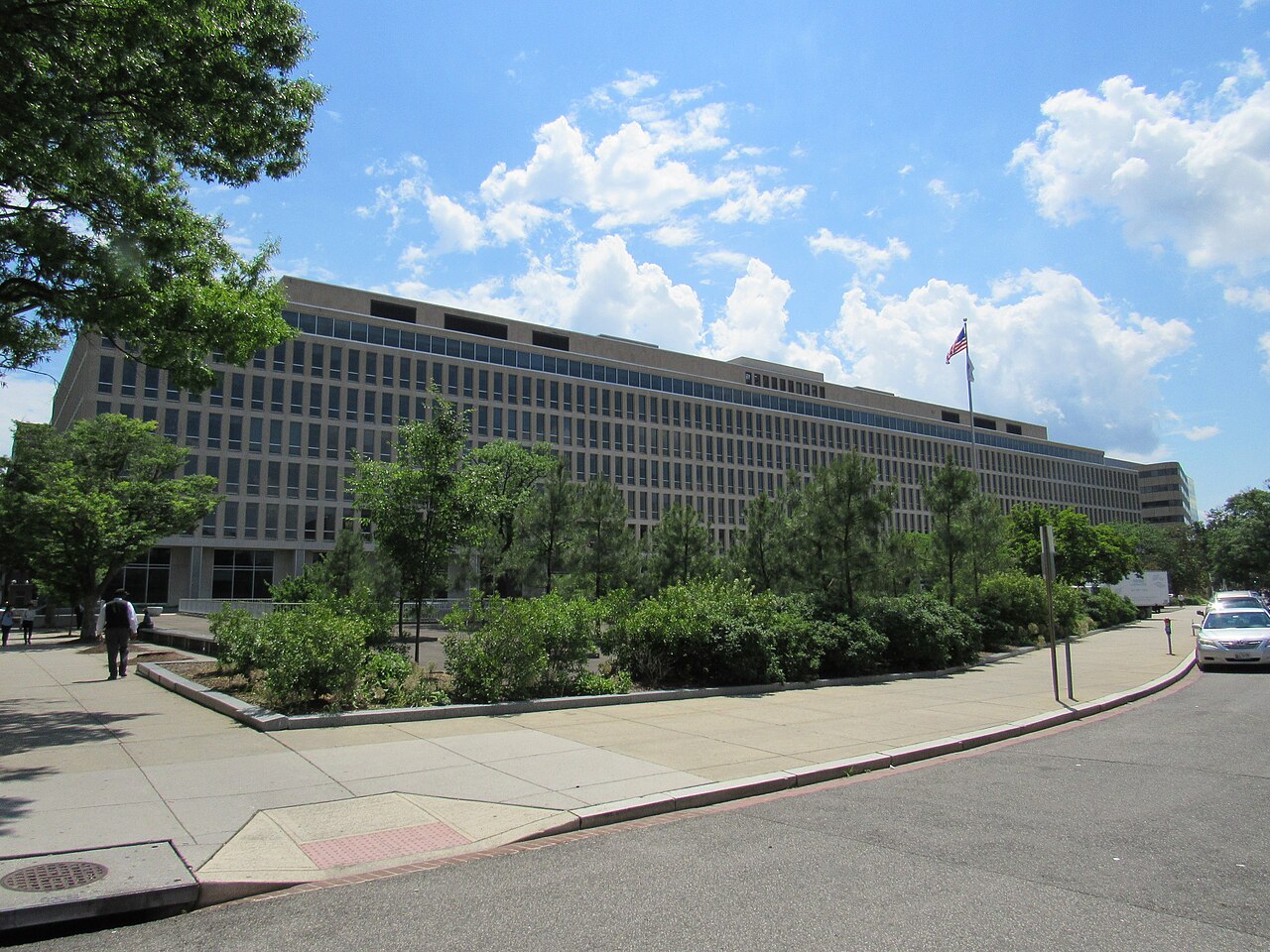
Confusion spikes because borrowers merge three separate systems into one idea. The first system is billing and payment processing by servicers. The second system is federal policy administration, where the Department of Education and contractors handle account adjustments, waiver implementation, and borrower-defense or forgiveness workflows. The third system is campus financial-aid operations tied to FAFSA cycles. A shutdown can hit those layers unevenly, which is why one borrower sees no interruption while another waits weeks for a form update that affects affordability.
The short version is straightforward: assume payments remain due, assume service response times may stretch, and act early enough that back-office lag does not turn into fees or credit damage. That framework mirrors our shutdown planning guidance for federal workers payContractor Pay, tax refund delays, and Medicare benefits continuity.
Do student loan payments stop during a government shutdown?
In most cases, no. Federal student loan payments generally stay on schedule during a shutdown, because billing, account portals, and payment pipelines are operated through servicing contracts and ongoing systems that do not automatically halt when appropriations lapse. Borrowers with active repayment obligations should expect the same due date unless they already have a formal status change approved in advance.
That distinction is critical because many borrowers misread �agency disruption� as �automatic deferment.� Federal shutdowns do not create universal payment holidays. If your account shows a monthly due amount, missing that payment can still move you toward delinquency. The safest default during uncertainty is to rely on your servicer account dashboard and billing notice rather than social media claims.
| Borrower assumption | Typical shutdown reality | Risk if ignored | Best action now |
|---|---|---|---|
| "Payments pause automatically" | Usually false | Delinquency and late reporting | Confirm next due date in servicer portal |
| "Autopay will be paused" | Usually false | Overdraft if cash-flow plan is weak | Review bank balance and autopay date |
| "One missed month is harmless" | Depends on account status | Fees, collection path escalation | Call before due date if hardship appears |
| "Support delays mean no consequences" | Not reliable | Timeline mismatch and appeal burden | Document all contacts and submissions |
Borrowers with private student loans should be even more explicit: private loan terms are contract-based and generally independent of federal shutdown politics. If you carry mixed federal and private balances, keep separate payment checklists.
Why repayment often continues even when agencies are disrupted
The repayment system does not function as one office that �opens� or �closes.� It functions through a distributed contract model that includes servicer call centers, payment platforms, account messaging systems, and compliance workflows. During shutdown conditions, some policy-facing and escalation-facing units can slow while standard payment intake remains available. The practical result is that monthly obligations keep moving while exception handling may take longer.
Think of this as a lane problem. Lane one is high-volume repetitive work: accepting payments, posting transactions, sending statements, and processing routine online actions. Lane two is lower-volume, higher-complexity work: disputed counts, manual IDR income documentation fixes, unusual deferment edge cases, and escalated ombudsman-style complaints. In shutdown periods, lane one usually stays functional enough to keep the system current, while lane two becomes the bottleneck that borrowers experience as uncertainty.
Borrowers can adapt if they treat lane two as a calendar-risk issue. If you need manual review, submit earlier and keep evidence. If your account is straightforward, focus on cash flow and on-time payments. Most avoidable harm happens when borrowers who need complex review wait until the final week before a payment or recertification deadline.
Are federal student loan servicers open during a shutdown?
Borrowers generally retain access to online dashboards, billing notices, payment methods, and standard phone support channels. What changes is consistency. Hold times can rise, first-contact resolution may drop, and written-request processing can stretch. This is especially relevant when a borrower needs correction of a payment count, recalculation of income-driven payment amount, or review of a transfer between servicers.
Operationally, this means you should move from a �single contact� mindset to a �traceable workflow� mindset. One phone call without follow-up notes is fragile. A documented timeline with confirmation numbers, uploaded files, timestamped screenshots, and written summaries is resilient. If an issue later affects delinquency status or forgiveness credit, your records become the difference between quick correction and long appeals.
Servicer communication protocol that reduces risk
- Start in writing: submit account requests through secure message center whenever possible.
- Use phone calls for urgency: call for imminent due-date risk, then summarize the call in a follow-up message.
- Capture proof: save PDF statements, confirmation numbers, and screenshots for every submission.
- Set review reminders: check status every 5 to 7 days for unresolved issues.
- Escalate early: if no progress near deadline, escalate with documented chronology, not a fresh narrative.

How income-driven repayment (IDR) can be affected
IDR borrowers face a specific timing risk: payment affordability depends on recertification and data integrity, and those steps can involve manual handling. If your recertification is near, a processing slowdown can create a temporary mismatch between your expected affordable payment and the billed amount. That mismatch does not always self-correct on the same timeline as your next due date.
The mitigation strategy is to submit recertification well before the deadline, confirm receipt, and monitor whether the expected payment amount is actually reflected in the next billing cycle. If it is not, contact your servicer immediately with your submission proof. Waiting for the system to catch up automatically can expose you to bills you did not budget for.
Borrowers often ask whether they should skip a payment while waiting for IDR adjustment. In most cases, that is the wrong default. Instead, pursue a documented temporary option such as an approved forbearance or another formal account status that protects against delinquency while the adjustment is processed. Informal nonpayment is what creates avoidable credit and collection issues.
| IDR scenario | Most common shutdown friction | Borrower risk | Protective step |
|---|---|---|---|
| Recertification due within 30 days | Review backlog | Unexpected payment increase | Submit now and verify receipt within 48 hours |
| Income recently dropped | Delayed recalculation | Unaffordable next bill | Request recalculation with complete income docs |
| Servicer transfer period | Record synchronization lag | Lost documents or duplicate notices | Keep copies and compare old/new statements |
| Prior dispute still open | Escalation queue growth | Resolution after due date | Escalate with timeline and deadline language |
Does PSLF pause during a government shutdown?
Public Service Loan Forgiveness usually does not vanish during a shutdown, but workflow speed can change. Employment certification forms, payment-count updates, and adjustments tied to past periods may take longer to reflect. Borrowers pursuing PSLF should therefore separate legal eligibility from dashboard timing. You can remain on a valid PSLF path even if account updates post later than usual.
The operational risk is psychological and procedural: a delayed count can make borrowers think their status is broken, then they switch plans or miss a documentation deadline that actually mattered. The better approach is disciplined continuity. Keep qualifying employment records current, continue payments under the required structure, submit forms on schedule, and preserve documentation that supports each qualifying period.
If your account is near forgiveness threshold, precision matters. Save employer certification submissions, pay stubs or HR letters as needed, and any servicer acknowledgments. During heavier processing periods, the borrower with clean records usually resolves discrepancies faster than the borrower relying on verbal history alone.
Is FAFSA processing delayed by a government shutdown?
FAFSA and related student-aid operations can continue, but support speed and exception workflows may become less predictable depending on staffing and contractor capacity. Students should not interpret this uncertainty as a reason to delay filing. In fact, early filing becomes more valuable when processing queues are at risk of slowing.
For families managing both current repayment and upcoming school-year aid, shutdown periods create a dual-calendar challenge. You may be handling monthly repayment obligations while also completing aid verification tasks. Missing either track creates costs: delinquency on one side, delayed disbursement or aid confusion on the other. A simple timeline with all due dates in one place reduces this collision risk.
FAFSA + repayment coordination checklist
- Submit FAFSA as early as practical in your filing window and complete follow-up requests quickly.
- Keep repayment autopay, scheduled payment, or manual-payment reminders separate from aid deadlines.
- Store school financial-aid emails and servicer notices in one folder for rapid cross-checking.
- If you expect cash-flow pressure, request formal payment relief before the due date.
- Reconcile aid offers and borrowing plans before adding new debt in uncertain periods.

What borrowers should do 14 days before a possible shutdown
The highest-return strategy is to remove preventable uncertainty from your account before operations get noisy. Borrowers who prepare early usually avoid emergency calls and payment mistakes even if response times deteriorate.
1. Stabilize payment execution
Confirm your next two due dates, payment amount, autopay status, and linked bank account details. If you pay manually, schedule reminders one week and two days before due date. Borrowers who miss payments during shutdown cycles usually fail on execution basics, not policy complexity.
2. Download account baseline records
Save your current statement, payment history, repayment plan details, and any pending request confirmations. If a record mismatch appears later, baseline files cut resolution time because you can show exactly what the account displayed before disruption.
3. Resolve pending plan changes early
If you need IDR recalculation, deferment, forbearance, or a servicing dispute review, submit now and track it actively. Waiting until your due week increases the chance that processing delay and payment obligation overlap in the worst possible way.
4. Build a borrower issue log
Use one page with date, channel, agent name, issue, promised action, and next follow-up date. This turns scattered interactions into case management and prevents repeated first-level troubleshooting.
5. Prepare hardship fallback options
If your household income is unstable, map contingencies now: minimum emergency cash reserve, which bill to prioritize, and which formal relief options to request first. Structured planning reduces the chance of informal nonpayment decisions that create long-tail credit damage.

Scenario analysis: borrower decisions by risk level
Low risk: stable income, no pending account requests
Your playbook is maintenance. Verify due date, keep autopay funded, and monitor account messages weekly. The goal is not overreaction; it is reducing friction from avoidable surprises.
Moderate risk: recertification or plan change due soon
Shift into proactive tracking. Submit forms immediately, capture receipts, and verify processing milestones. Do not assume that submission alone equals completion. Your risk is timeline mismatch, not ineligibility.
High risk: recent income drop or missed payment history
Move quickly into formal relief channels and documented communication. Every day before due date matters. Borrowers in this profile should treat shutdown headlines as a trigger to stabilize account status, not a reason to postpone outreach.
Very high risk: mixed federal/private loans plus school aid deadlines
Use separate ledgers for each obligation type, because private loans, federal repayment, and aid processing follow different rules and timing. Mistakes happen when households collapse those tracks into one assumption that �everything is paused.�
Authoritative sources borrowers should monitor
For reliable updates, prioritize primary and high-authority references over social media threads:
- Federal Student Aid repayment guidance for current repayment options and account actions.
- U.S. Department of Education contingency plan for operational assumptions during funding lapses.
- Congressional Research Service shutdown framework for nonpartisan legal and procedural context.
- Consumer Financial Protection Bureau student loan FAQs for borrower rights and complaint pathways.
If you find conflicting claims online, weight sources in this order: your servicer account notices, official federal guidance, then analytical coverage. Reverse that order and you increase decision error risk.
FAQ: student loans government shutdown
Do student loan payments stop during a government shutdown?
Usually no. Most borrowers should assume their monthly payment still applies unless they already have a formal deferment, forbearance, or qualifying zero-dollar IDR amount in place.
Are federal student loan servicers open during a shutdown?
Core systems and borrower portals are usually available, but response times and complex request processing can slow. Keep written records and confirmation numbers for every interaction.
Does PSLF pause during a government shutdown?
PSLF pathways generally continue, but some account updates and count adjustments may post more slowly. Continue qualifying employment and submit annual certification on schedule.
Is FAFSA processing delayed by a government shutdown?
Systems can continue operating, but support and verification workflows may be less predictable. Filing early and completing follow-up requests quickly is the best protection.
What should borrowers do before a shutdown?
Confirm payment logistics, submit pending paperwork, keep a dated issue log, and avoid waiting for last-minute account fixes. Early action is the best way to prevent avoidable delinquency.
Bottom line for borrowers
Student loans government shutdown planning is less about guessing congressional timelines and more about controlling what you can verify today: due dates, payment method, documentation, and escalation proof. Borrowers who treat shutdown periods as workflow-risk events instead of automatic payment holidays are far more likely to protect credit, preserve eligibility pathways, and avoid preventable account damage.