Coast Guard Pay During Government Shutdown: What Active-Duty Families Should Expect
Reported by The Capitol Watch Editorial Team. Review our editorial standards, corrections policy, and newsroom mission.
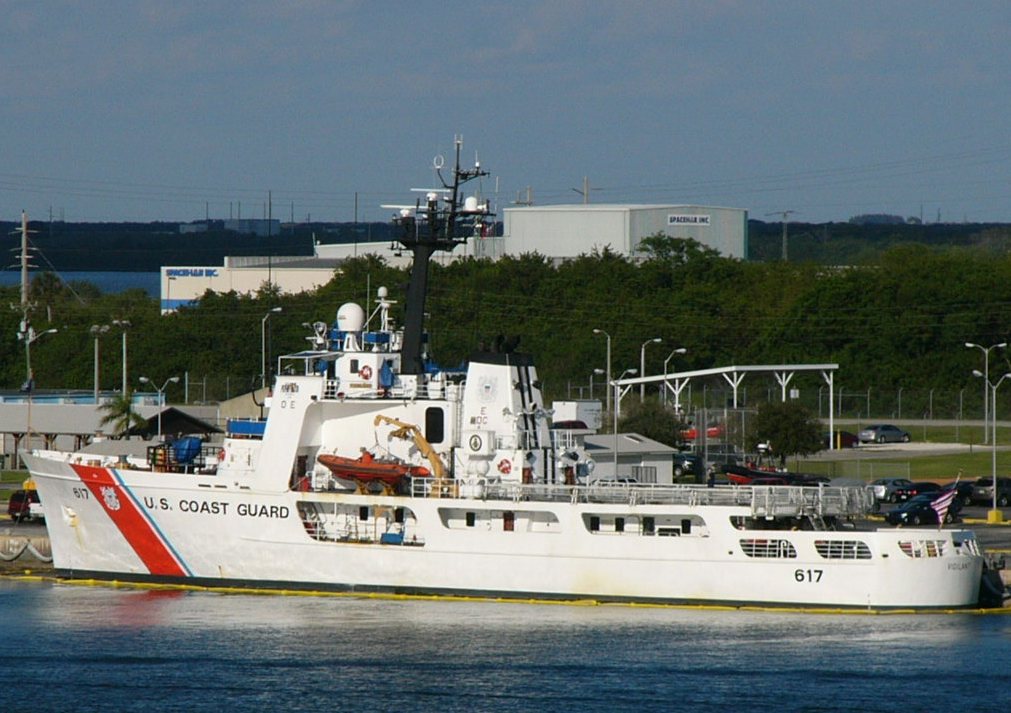
Coast Guard pay during government shutdown can be delayed even when service members continue working, because the Coast Guard depends on Department of Homeland Security appropriations in peacetime. The key variable is whether Congress passes separate payroll authority or transfer authority before the next military pay date.
Coast Guard pay during government shutdown is not a theoretical concern for military families; it is a cash-flow and readiness issue that can change within one pay cycle. Unlike most uniformed services funded through the Department of Defense, the Coast Guard operates under the Department of Homeland Security in peacetime, so a DHS appropriations lapse can immediately affect payroll timing unless Congress passes a targeted fix. If you are tracking broader lapse conditions, start with our government shutdown tracker, then compare workforce rules in our federal workers shutdown pay guide and vote timing in the Senate vote tracker.
Search demand around this topic is practical: families want to know whether the next deposit will land, whether housing and food allowances still accrue, and what to do first if a pay date is missed. This guide answers those decisions with a scenario model you can use before, during, and after a lapse. It does not rely on rumor cycles or social-media screenshots; it focuses on statutory structure, historical shutdown behavior, and standard military payroll mechanics.
Does the Coast Guard get paid during a government shutdown?
The short answer is: sometimes, but not automatically. Coast Guard members generally continue operations because many missions are considered excepted for safety and national security, yet continuing to work does not guarantee on-time pay without funding authority. In lapse periods, payroll outcomes depend on whether lawmakers provide a narrow pay bill, approve transfer authority, or restore full appropriations before the pay date clears.
That distinction matters because households budget around fixed dates. A one-pay-period interruption can trigger overdrafts, late fees, or missed loan auto-drafts even when back pay is later authorized. Financial stress can show up quickly in high-cost duty stations where housing, child care, and transportation consume most of monthly income.
| Operational status | Work requirement | Pay timing risk | Practical household impact |
|---|---|---|---|
| Normal appropriations | Regular duty | Low | Standard direct deposit schedule |
| Shutdown, no special payroll authority | Most active-duty missions continue | High | Possible delayed paycheck despite continued duty |
| Shutdown, targeted military pay authority enacted | Regular duty continues | Medium to low | Deposits can continue if authority is broad enough |
| Appropriations restored | Regular duty | Low | Delayed amounts typically paid in catch-up cycle |
Why is Coast Guard pay during government shutdown different from DoD pay?
The Coast Guard's departmental alignment drives the difference. In peacetime, it is in DHS, not DoD. During prior shutdowns, Congress at times passed military-pay-specific measures or transfers that covered DoD members quickly, while Coast Guard treatment depended on how the legislation was drafted and when DHS accounts were addressed. The legal status of military service does not change, but the funding path does.
For families, this creates a planning challenge: headlines about "military pay protected" may describe only some uniformed personnel unless the measure explicitly includes Coast Guard members. Reading the bill text summary is critical, not optional. A broad media headline can hide narrow statutory coverage.
In shutdown planning, assume nothing until the actual funding authority names Coast Guard payroll channels.
Authoritative references worth bookmarking include the Congressional Research Service shutdown brief at congress.gov, Coast Guard official updates at uscg.mil, and military pay administration details at dfas.mil. These sources provide clearer operational detail than social clips circulating during deadline weeks.
What laws and authorities determine paycheck timing?
Three legal levers usually decide outcomes. First is annual appropriations law: if enacted on time, payroll follows normal execution. Second is targeted interim legislation: Congress can pass a narrow measure to fund specific categories, including military personnel, even while broader negotiations continue. Third is transfer or reprogramming authority: in some cases, the executive branch may attempt to move funds, but those steps can face legal constraints and political challenge.
1. Annual appropriations
When DHS appropriations are active, Coast Guard payroll is routine and predictable. There is no unusual policy risk beyond normal administrative delays. Families should still use standard resilience practices, but shutdown-specific contingency pressure is minimal.
2. Targeted payroll legislation
Congress has previously passed temporary military pay protections during funding standoffs. The key issue is scope: does the text clearly include Coast Guard active-duty pay, allowances, and associated compensation lines, or does it focus narrowly on specific defense accounts? Until scope is confirmed, assumptions are risky.
3. Transfer or workaround authorities
Administrations may seek interim mechanisms to avoid missed pay cycles, but those approaches can be contested and may not be durable. Families should treat reported workarounds as provisional until Treasury processing and payroll systems confirm execution. Practical planning should center on deposits that have cleared, not announcements alone.
What happens to BAH, BAS, sea pay, and special pays in a lapse?
Compensation components generally remain legally earned for duty performed, but deposit timing can vary with funding authority. Base pay, Basic Allowance for Housing (BAH), Basic Allowance for Subsistence (BAS), and duty-specific incentives such as sea pay may accrue during service, then post when legal and administrative conditions allow. In other words, delayed pay is usually a timing problem, not automatic forfeiture.
The household reality is still serious. Rent, mortgage, insurance, and child-care obligations usually do not pause when a federal lapse occurs. If your budget relies on one military paycheck, even short delays can force high-cost borrowing. That is why proactive lender communication and cash-buffer planning matter before deadlines, not after.
| Compensation element | Typically earned during duty? | Can deposit timing slip in shutdown? | Planning note |
|---|---|---|---|
| Base pay | Yes | Yes | Primary risk for fixed bill dates |
| BAH | Yes | Yes | Keep landlord/mortgage servicer notice ready |
| BAS | Yes | Yes | Preserve grocery and fuel buffer |
| Sea pay / special pays | Yes if duty criteria met | Yes | Track LES details for catch-up verification |
| Back pay after resolution | Usually authorized | N/A | Back pay timing can vary by processing cycle |
How can Coast Guard families prepare for a delayed paycheck?
Coast Guard families should plan for a "one-cycle disruption" baseline and a "two-cycle disruption" stress case. The one-cycle plan assumes one missed or partial paycheck before restoration. The two-cycle plan assumes negotiations drag and administrative catch-up takes another cycle. Building both plans avoids the common mistake of over-optimism after the first reassuring headline.
First 72-hour preparation checklist
- List all obligations due in the next 30 days: rent or mortgage, utilities, insurance, transportation, child care, loan auto-drafts, and medical payments.
- Identify payments with the highest penalty or credit score risk and prioritize those first.
- Call lenders early and request hardship coding before due dates if pay uncertainty rises.
- Pause discretionary subscriptions and optional recurring debits immediately.
- Save PDFs or screenshots of every hardship request, confirmation number, and adjustment.
- Monitor official service updates from Coast Guard and shutdown status pages daily.
Early communication is usually the highest-leverage move. Financial institutions are more likely to grant fee waivers or short deferments when members ask before delinquency occurs. Waiting until accounts are already late narrows options and increases stress.
Budget triage framework
Use a three-bucket system: mission-critical, household-essential, and deferrable. Mission-critical includes housing, transportation required for duty, and insurance. Household-essential includes groceries, medicine, and child care tied to work schedules. Deferrable includes discretionary retail, entertainment, and elective services. This structure keeps decision-making consistent when new information arrives quickly.

Are Coast Guard civilians and contractors affected differently?
Yes. Shutdown effects often diverge across three groups: active-duty members, civilian employees, and contractors. Active-duty personnel usually continue performing excepted missions, sometimes without immediate pay. Civilian workers may be furloughed if duties are not classified as excepted, while other civilian roles remain active. Contractors face contract-specific risk, including stop-work orders, delayed invoices, or paused tasking depending on funding and contract terms.
This mixed environment creates operational and personal strain inside the same unit. One household may be working without timely pay, another may be furloughed, and a contractor team may lose billable hours entirely. Leaders and families should avoid one-size assumptions and verify status by role, not by broad agency label.
Practical Note
If you supervise or support a mixed team, publish a simple contact matrix with payroll office, supervisor chain, legal assistance, and lender hardship resources. In lapses, clarity lowers panic.
How long can Coast Guard pay disruption last?
The duration risk has two layers: legislative duration and payroll processing duration. Even when Congress resolves a lapse, pay restoration can still require processing lead time. That means the formal end of a shutdown does not always equal same-day cash in accounts. Families should monitor both the legal resolution and pay-system execution window.
Historical patterns show that lawmakers often face the highest pressure near hard operational and political deadlines. But timing is uncertain, and policy negotiations can move in stop-start bursts. For planning, assume uncertainty persists until at least one successful normal-cycle deposit lands.
Signals that risk is rising
- No clear floor schedule for appropriations or stopgap votes in the next 48 hours.
- Public disagreement between chambers on the same continuing-resolution text.
- Agency guidance emphasizing contingency posture without payroll clarification.
- Reports of payment workaround legal challenges that could delay execution.
When those indicators stack, accelerate household mitigation rather than waiting for certainty. The cost of preparing early is usually smaller than the cost of reacting late.
What should readers watch next?
Track three streams at once: congressional action, Coast Guard official updates, and your own financial due dates. Congressional votes determine legal authority; Coast Guard statements clarify mission and personnel implementation; due-date mapping determines your immediate risk. This triad gives households a decision system that works even when headlines conflict.
For ongoing context, pair this page with our government shutdown history timeline to understand how prior lapses ended, and our SNAP shutdown guide for broader household budget pressure points that can overlap military-family risk in multi-income homes.
FAQ: coast guard pay during government shutdown
Does the Coast Guard get paid during a government shutdown?
Coast Guard members may continue duty while pay is delayed if DHS appropriations lapse and no targeted payroll authority is in place. Whether deposits continue depends on legislation and execution authority, not mission status alone.
Why is Coast Guard pay during government shutdown different from DoD pay?
The Coast Guard is funded through DHS in peacetime, while other services are typically funded through DoD appropriations. During shutdowns, that structural difference can create different payroll outcomes unless Congress explicitly includes Coast Guard pay protections.
What happens to BAH and sea pay during a shutdown?
Allowances and special pays are generally still earned for qualifying duty, but payment timing can slip without funding authority. When appropriations or targeted legislation resume, those amounts are usually included in catch-up processing.
How can Coast Guard families prepare for a delayed paycheck?
Build a short-term buffer, prioritize essential bills, and contact lenders before due dates. Keep written documentation of every hardship request and monitor official payroll updates daily until deposits normalize.
Are Coast Guard civilians furloughed during a shutdown?
Some civilians may be furloughed and others may continue as excepted employees, depending on job function. Contractors can also face stop-work or delayed payment risk depending on contract funding lines.
Bottom line
Coast Guard pay during government shutdown is a funding-authority problem, not a readiness problem: missions usually continue while payroll timing can still break. Families that plan for one to two disrupted cycles, communicate with creditors early, and follow primary federal sources are in a stronger position than households waiting for perfect certainty.