Government Shutdown Passport Processing: What Travelers Should Expect in 2026
Reported by The Capitol Watch Editorial Team. Review our editorial standards, corrections policy, and newsroom mission.
Government shutdown passport processing usually continues because passport fees fund core operations even when appropriations lapse. The real risk is not universal closure but slower appointment access and longer resolution times for applications that need manual review.
Government shutdown passport processing is one of the most searched travel-policy questions because families need a direct answer: will they get travel documents on time. The practical reality is mixed. Core passport services can continue, but appointment availability, call-center responsiveness, and manual issue resolution can become less predictable, especially in high-demand seasons. If you are tracking the broader service effects of a funding lapse, use our Government Shutdown Tracker, the travel-specific Flights & Airports guide, and the shutdown workforce explainer on federal workers pay for cross-agency context.
Search intent around this topic is mostly operational, not ideological. People want to know whether routine renewal still moves, whether expedited appointments remain available, how much buffer time they need before international travel, and whether third-party appointment services are worth the risk. This guide answers those decisions directly using official State Department service structure and shutdown operations context.
Will passport offices close during a government shutdown?
Most passport operations can remain open during a shutdown because passport and visa services are heavily fee-funded. That distinction matters: fee-funded operations are not automatically tied to the same appropriation mechanics as other agencies. But continuity does not mean zero disruption. The first constraints usually appear in staffing-sensitive areas, including phone support, urgent appointment supply in major cities, and exception handling for incomplete or mismatched applications.
Travelers often interpret uneven service as full closure because personal outcomes differ sharply. One applicant gets a routine renewal processed close to posted timing, while another waits significantly longer due to a documentation correction cycle. Both experiences can occur in the same week. The better framework is capacity variability, not binary open-versus-closed assumptions.
What tends to stay stable
- Routine passport acceptance and adjudication workflows for complete applications.
- Standard renewal pathways for applicants with no identity or document discrepancies.
- Printing and issuance pipelines for straightforward cases.
What becomes less predictable first
- Urgent appointment inventory in high-demand passport agencies.
- Phone lines and callback windows for case-specific troubleshooting.
- Manual review queues for missing documents, errors, or identity concerns.
| Scenario | Expected impact | Primary bottleneck | Recommended move |
|---|---|---|---|
| Routine renewal with complete documents | Lower delay risk | Seasonal volume spikes | Apply early and monitor status weekly |
| Urgent travel appointment | Moderate to high risk | Slot scarcity in metro agencies | Book immediately with proof of travel |
| Application with document mismatch | High delay risk | Manual examiner workload | Submit complete corrective evidence once |
| Late-filed traveler near departure | Highest risk | Limited contingency time | Use expedited path plus itinerary flexibility |
Can I renew my passport during a government shutdown?
Yes. In most cases, delaying renewal because of shutdown headlines creates more risk than filing promptly. Passport timing is always a queue problem, and queue pressure increases when travelers wait for political certainty that may not arrive quickly. If your passport validity is inside the destination requirement window, renewing immediately usually gives you the strongest odds of avoiding emergency appointment competition.
Routine renewals move fastest when the file stays in automated pathways. That means exact name matching, complete payment details, accurate form selection, and no missing attachments. Many delays blamed on shutdowns are actually avoidable submission errors that move a case from digital throughput into manual review. Under constrained staffing conditions, that transfer can add weeks.
Always anchor timeline assumptions to the official State Department processing page rather than viral social claims: current passport processing times. Then apply a realistic buffer. A planning model that assumes median outcomes only is too fragile for shutdown volatility.

How long does passport processing take during a shutdown?
Posted ranges remain your baseline, but shutdown periods increase variance around those ranges. The question is not only average speed; it is how wide the spread becomes between routine and exception cases. A family with complete routine renewals may see normal timelines, while a traveler with one documentation issue can face a materially longer cycle.
A useful decision model is three timeline bands. First, use the posted range as the routine band. Second, add a two-to-four-week buffer band when demand is high or shutdown uncertainty persists. Third, add a contingency band if your case includes any risk markers, such as prior document corrections, recent name changes, or complex proof-of-citizenship questions. This framework is operationally better than hoping for best-case processing.
Travel planning should reflect this asymmetry. Buying nonrefundable tickets based on minimum processing estimates is high risk during funding disputes. A better approach is to secure refundable or changeable fares until passport issuance is confirmed. The incremental booking cost is usually lower than the potential cost of itinerary disruption.
Shutdown-driven passport risk usually appears as longer tail outcomes, not universal service stoppage.
Can I get an expedited passport during a shutdown?
Expedited pathways can remain available, including urgent-travel categories and life-or-death emergencies. The friction point is access, not legal availability: more travelers compete for limited appointment inventory, particularly in major metro passport agencies. This is why preparation quality matters. Applicants who arrive with complete documentation and clear travel proof usually convert scarce appointments into completed cases faster.
If you need expedited service, avoid two common mistakes: waiting for a perfect political signal and relying on third-party appointment promises that do not control federal scheduling systems. Official channels should remain your primary route. Confirm required evidence, verify form status before submission, and keep copies of every document packet and receipt for escalation if needed.
Expedited readiness checklist
- Gather proof of imminent travel before appointment requests.
- Confirm all identity and citizenship documents are current and legible.
- Use one complete submission package instead of fragmented follow-ups.
- Track case status through official channels only.
- Keep itinerary flexibility until passport is physically delivered.

Why seasonality changes the real shutdown impact
Shutdown coverage can be misleading when it ignores seasonal demand. A funding lapse during heavy spring and summer booking cycles creates more severe appointment competition than a lapse during lower-demand windows. That is why two shutdowns with similar legal conditions can produce different traveler experiences. Calendar position changes queue stress.
Three factors compound pressure: concentrated family travel planning windows, uneven agency-level appointment distribution, and growth in manual exception queues. When these factors overlap, anecdotal reports sound like blanket shutdowns even when core processing continues. The operational truth is usually narrower: the system still runs, but the margin for paperwork errors or late action disappears.
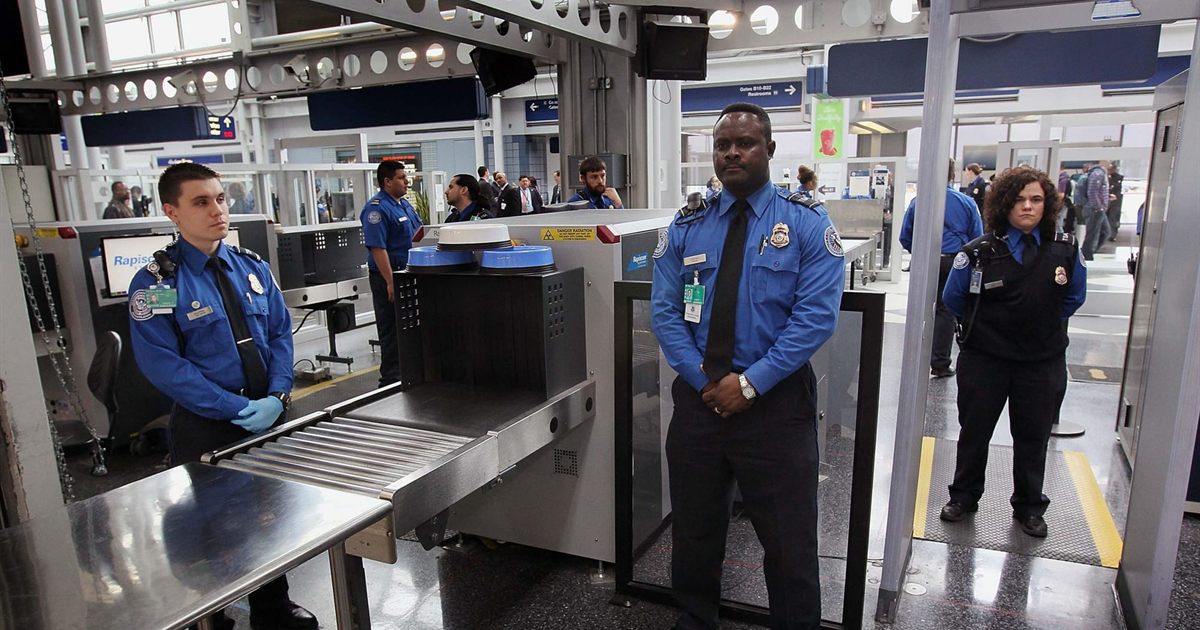
This is consistent with patterns we track across other services. In our TSA shutdown analysis, continuity remains possible while traveler-facing friction increases through staffing strain and variability in wait-time performance.
Best sources for trustworthy shutdown passport updates
Use authoritative federal sources first and media explainers second. That sequence prevents expensive decisions driven by incomplete social posts.
- U.S. Department of State passport portal for official service pathways and appointment instructions.
- Congressional Research Service shutdown report for legal-operational framework during appropriations lapses.
- USA.gov passport guidance for consolidated federal redirects and service definitions.
If a claim cannot be traced back to one of those sources, treat it as unverified until corroborated. This single filter removes much of the panic content around alleged full passport office closures.
What travelers should do this week
Shutdown uncertainty does not require perfect forecasting. It requires early execution and clean documentation. Start with your travel date, then work backward with a buffer that accounts for variance, not average speed alone.
- Check destination validity rules and your current passport expiration date.
- Submit renewal immediately if your validity buffer is narrow.
- Use exact matching legal names across forms, IDs, and bookings.
- Choose trackable submission methods and retain complete copies.
- Monitor official status tools before calling support lines.
- If urgent travel appears, gather proof and seek official appointments promptly.
- Keep booking flexibility until the passport is issued and delivered.
This workflow reduces avoidable delay risk regardless of whether shutdown negotiations resolve quickly or continue in short-term patches. In practice, preparation quality is the variable travelers control.
Scenario analysis: how different travelers should plan
Different traveler profiles face different shutdown-era passport risk. Treating every case the same leads to under-planning for high-risk scenarios and overreaction for low-risk scenarios. A family planning summer vacation six months out, a consultant flying next month, and a student finalizing a semester abroad all need different buffers and escalation plans.
Scenario 1: Routine leisure traveler with 4-6 months before departure
This traveler is in the strongest position. File immediately, choose the standard pathway if your timeline allows, and build a two-to-four-week buffer over posted processing estimates. Your objective is to stay in the routine queue and avoid any urgent appointment dependency. Review every field before submission and confirm payment and mailing details one final time. Most avoidable delays in this profile come from minor form errors that trigger manual correction.
Scenario 2: Traveler with departure in 4-8 weeks
This profile should assume moderate risk. If documents are complete and identity details are straightforward, expedited service may still work, but you should not rely on best-case timing. Secure bookings with change flexibility, collect proof of travel now, and monitor official appointment pathways daily if timing tightens. If any issue appears in status tracking, respond once with complete documentation rather than sending partial updates that create new review loops.
Scenario 3: Urgent traveler inside 14 days
This profile is high risk even outside shutdown periods. During a funding lapse, speed depends on your ability to present complete, verified travel proof and all required records at the first appointment. Prepare a single packet with identity, citizenship, travel itinerary, and supporting evidence. Avoid relying on unofficial intermediaries. They cannot guarantee federal slot availability, and wasted cycles are costly when your departure window is measured in days.
The practical takeaway across scenarios is consistent: shutdown uncertainty punishes late action and incomplete files. It does not automatically block well-prepared applicants who move early and use primary channels. Travelers who treat passport processing as a project with clear milestones, documentation controls, and contingency buffers usually perform better than travelers waiting for headline certainty.
FAQ: government shutdown passport processing
Will passport offices close during a government shutdown?
Most passport operations can continue during a shutdown because passport fees support core processing. The biggest risk is uneven staffing in appointment-heavy locations and support functions that depend on annual appropriations.
Can I renew my passport during a government shutdown?
Yes, many travelers can still renew through standard channels. Delays become more likely when documentation issues require manual correction or when travelers file too close to departure dates.
How long does passport processing take during a shutdown?
Published timelines remain the baseline, but variance expands during funding lapses. Routine applications can stay near normal while urgent or exception cases experience longer waits.
Can I get an expedited passport during a shutdown?
Expedited options can remain available, especially for urgent travel and emergency categories. Appointment competition increases, so complete documentation and early action matter more.
What should I do if I have urgent international travel during a shutdown?
Gather proof of travel, use official State Department appointment channels immediately, and avoid unofficial booking promises. Keep itinerary flexibility until your passport is issued.
Bottom line for travelers
Government shutdown passport processing is primarily a queue-management issue, not an automatic systemwide shutdown. Travelers who file early, submit complete documents, and rely on official federal sources can materially reduce disruption risk.