Government Shutdown Unemployment Benefits: Eligibility, Filing Steps, and Repayment Risk
Reported by The Capitol Watch Editorial Team. Review our editorial standards, corrections policy, and newsroom mission.
Government shutdown unemployment benefits can be available to furloughed workers and contractors, but eligibility, payment timing, and repayment risk depend on each state unemployment system. The most important predictor of how quickly a claim moves is whether you file immediately with complete wage records and respond fast to identity and separation notices.
Government shutdown unemployment benefits are a state-administered safety valve for workers who lose pay during a federal funding lapse, and the first decision is filing quickly instead of waiting for political headlines. If you are tracking the broader funding timeline, start with our Government Shutdown Tracker, then use this guide to decide whether to file, which state should handle your claim, and how to manage potential overpayment if back pay arrives later.
Search demand on this topic keeps rising because shutdown outcomes split workers into different legal buckets. Federal employees, federal contractors, and mixed-income households can all face different treatment under state unemployment law even when the same shutdown caused the income loss. A generic answer is usually wrong. This page uses agency guidance, state unemployment mechanics, and prior shutdown patterns to give a practical filing framework that works under uncertainty.
Can federal workers get unemployment during a government shutdown?
Yes, many furloughed federal workers can apply through the Unemployment Compensation for Federal Employees framework, but benefits are still processed under state law. That means your state labor agency decides weekly eligibility rules, waiting-week treatment, earnings offsets, and documentation standards. During past shutdowns, some federal workers received benefits while others were denied for specific weeks because of pay status timing, return-to-work dates, or state adjudication rules.
The most common mistake is assuming that all federal workers are treated identically. Workers who are furloughed with no work hours often have stronger unemployment eligibility arguments than workers required to report as excepted employees without immediate pay. The second group can still face eligibility questions about whether they are technically unemployed under state definitions for a given week. Documentation quality is what closes that gap.
What documents improve approval odds
- Official furlough notice or agency status communication with exact effective date.
- Recent SF-50, pay stubs, and agency employment verification records.
- Weekly certification notes showing no compensated hours worked in the claimed week.
- Direct-deposit and identity documents requested by the state portal.
Federal workers should still review shutdown-specific pay rights in our Federal Workers Shutdown Pay guide, because unemployment eligibility and eventual back-pay rights are connected but not identical legal questions.
| Worker category | Typical shutdown status | Unemployment filing posture | Main risk |
|---|---|---|---|
| Furloughed federal employee | No hours, no current pay | Usually should file immediately | Later back-pay overpayment review |
| Excepted employee | Working without current pay | State-specific, often complex | Weekly eligibility denials |
| Federal contractor | Hours cut or contract paused | Often eligible if no paid work | Proof of reduced work availability |
| Mixed-income household worker | Partial hour loss | Partial UI may apply | Earnings reporting errors |
Do contractors qualify for unemployment during a shutdown?
Contractors are frequently in the highest-risk category during a shutdown because many do not receive retroactive pay through federal statute the way federal employees do. That makes unemployment benefits a critical liquidity bridge for rent, food, and transportation costs while contract work is paused. Eligibility still depends on your state rules, but contractors often have a clearer unemployment argument when billable work actually stops.
State agencies generally evaluate three issues: whether your separation is temporary or ongoing, whether work was truly unavailable, and whether you remain able and available for work each week. Contractors who get ambiguous employer letters often see preventable delays. Ask for clear written language showing contract suspension, reduced assigned hours, or work stoppage linked to the funding lapse.
Households in which one member is a contractor and another receives benefits may need coordinated planning. For example, if your family also depends on food assistance, combine this unemployment workflow with the timing guidance in our SNAP shutdown guide so cash-flow assumptions are aligned across programs.
Which state should you file unemployment in after furlough?
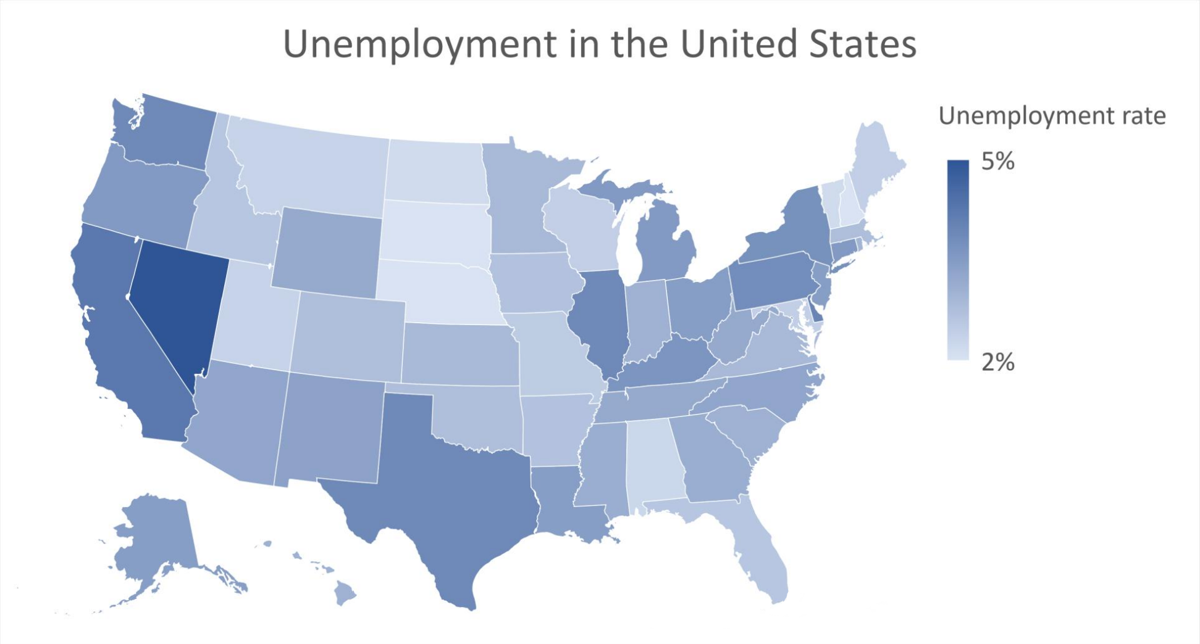
Most workers should file in the state where they physically worked, not where their federal agency headquarters is located. That distinction matters for remote and hybrid workers who may report to a D.C.-based office but perform duties from another state. Filing in the wrong state is one of the fastest ways to trigger manual transfers and multi-week delays.
If you had work activity in multiple states, file where your recent wages were primarily reported and be ready for interstate claim routing. State systems can request additional wage verification from federal payroll records, and that request chain can slow processing if documents are missing. Always upload clear wage evidence with your initial claim instead of waiting for a follow-up notice.
State filing sequence that reduces delay risk
- Start with your state labor department portal and complete identity verification first.
- Use employer details exactly as shown in payroll records to avoid matching errors.
- Upload furlough or contract pause notices on day one rather than after adjudication starts.
- Respond to every wage or separation questionnaire within the same business day when possible.
- Certify weekly on schedule even if the initial claim is still pending review.
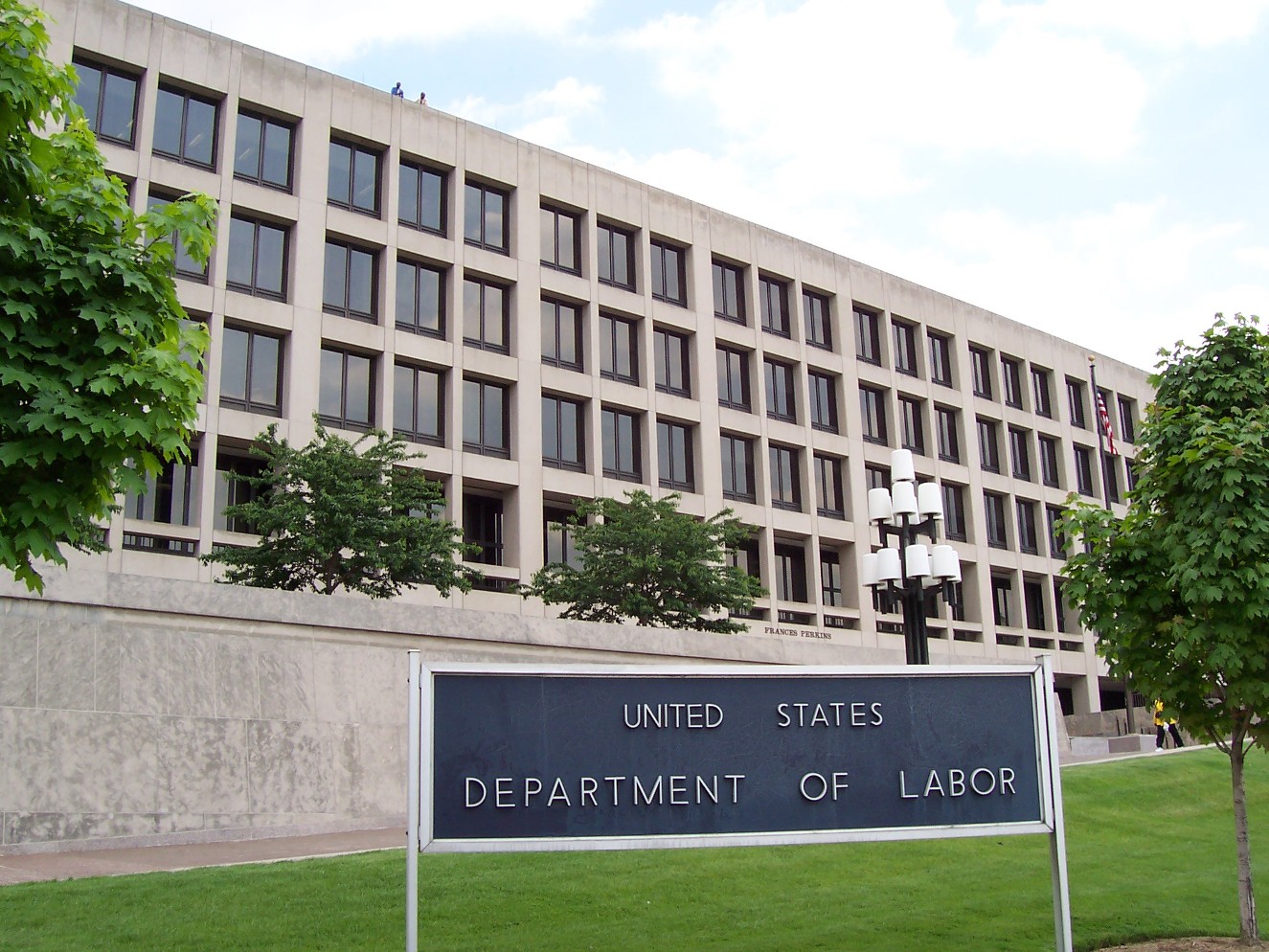
The U.S. Department of Labor maintains the federal overview for unemployment systems and UCFE administration, but claims are still paid through state workflows: U.S. Department of Labor UCFE guidance.
Do you have to repay unemployment after federal back pay?
Potentially, yes. Repayment risk appears when retroactive federal pay covers weeks for which unemployment was already paid and your state later determines those weeks are not payable. States handle this through overpayment determinations, offsets, or negotiated repayment plans, and outcomes differ by jurisdiction. You should plan for this possibility from the day you file.
This is where household cash management matters more than headline monitoring. If you receive unemployment during a shutdown and then receive back pay, preserve records for every benefit week, every wage adjustment notice, and every agency determination letter. Workers who cannot document timing and earnings changes usually lose appeals they could have won.
Repayment risk controls
- Set aside a contingency reserve from unemployment benefits when possible.
- Report return-to-pay notifications immediately in your weekly certification.
- Keep a date-stamped file of notices, wage records, and payment receipts.
- Appeal overpayment determinations within the stated state deadline.
For federal furlough legal context and retroactive pay background, review OPM furlough guidance alongside your state unemployment handbook.
During shutdowns, unemployment is often approved faster than overpayment disputes are resolved; documentation discipline is your best protection.
How long does it take to receive unemployment benefits during a shutdown?
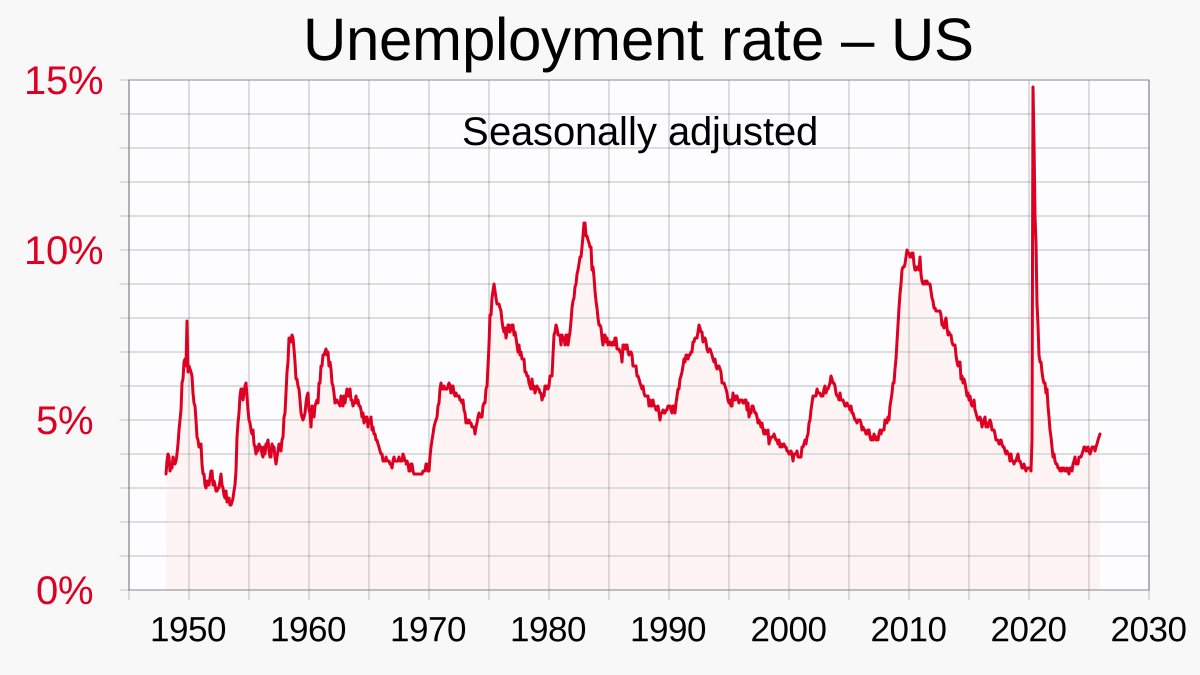
There is no single national timeline because state agencies run different systems, staffing models, and waiting-week rules. In low-backlog states, complete claims can move quickly after identity checks and first certification. In high-backlog states, adjudication queues can add weeks, especially when federal wages must be manually verified. Claims filed late usually fare worse than claims filed early, even when both workers had identical shutdown impacts.
A practical planning model is to assume three timing bands. First is the statutory baseline in your state handbook. Second is a surge-adjusted band that adds administrative delay during shutdown media spikes. Third is a dispute band if your case includes wage mismatches, multi-state work history, or return-to-pay overlap. Build your household budget around band two, and keep contingency plans for band three.
| Timeline stage | What drives speed | What causes delay | Your best action |
|---|---|---|---|
| Initial filing | Complete identity and wage data | Portal errors or missing employer info | Upload records in first session |
| Adjudication | Clear separation reason | Federal wage verification mismatch | Reply to questionnaires same day |
| Weekly certifications | On-time reporting | Skipped or late weekly claim | Certify on calendar reminders |
| Post-shutdown review | Accurate pay change reporting | Back-pay overlap and overpayment notices | Track notices and file appeals quickly |
Claimants can use CareerOneStop's state unemployment finder to navigate to official state filing portals and avoid third-party websites.
What to do in the first 72 hours after a shutdown furlough
The first three days usually determine whether your claim moves through automated lanes or falls into manual rework. Treat filing like incident response: gather documents, complete identity checks, submit a precise separation reason, and prepare weekly certifications before deadlines hit.
Day 1 checklist
- Collect furlough or contract suspension documents and two recent pay stubs.
- Create your state unemployment account and complete identity verification.
- Submit your initial claim with exact employer naming from payroll records.
- Save screenshots or PDFs of every confirmation page.
Day 2 checklist
- Monitor your portal inbox for wage and separation questionnaires.
- Upload any missing documentation in one complete packet.
- Set weekly certification reminders with backup notifications.
Day 3 checklist
- Confirm whether your state has a waiting-week rule in effect.
- Create a repayment contingency folder in case retroactive pay arrives later.
- Coordinate household cash-flow plans across rent, food, transit, and health costs.
If your household also faces housing instability during a prolonged lapse, pair this unemployment plan with our Section 8 shutdown guide to align benefit timing assumptions across systems.
How this differs from past shutdowns
Three structural shifts make current unemployment strategy different from earlier shutdown playbooks. First, more federal-adjacent work now runs through contractors and subcontractors, which increases the share of workers who may rely on state unemployment without guaranteed federal back pay. Second, more agencies and claimants use digital identity checks that can either speed or stall claims depending on document quality. Third, remote work patterns changed where wages are tied, creating more interstate complexity for claim routing.
The practical implication is that no single newsroom headline can predict your unemployment outcome. You need a file-level approach: where you worked, what wages were reported, what separation notice says, and how fast you satisfy state requests. This is why two coworkers in the same agency can see different processing results.
Workers should also avoid conflating unemployment insurance with emergency grant aid or private hardship programs. Those can support short-term cash flow, but they do not replace weekly certification requirements, work-search rules where applicable, or documentation standards required for state adjudication.
FAQ: government shutdown unemployment benefits
Can federal workers get unemployment during a government shutdown?
Furloughed federal workers can often apply for unemployment under UCFE, but approval still depends on each state's unemployment rules. Workers required to report without pay may face different weekly eligibility treatment until pay status changes.
Do contractors qualify for unemployment during a shutdown?
Many contractors can qualify when work is paused and wages stop, because contractor pay protection differs from statutory federal employee back-pay rules. States still require proof of separation, weekly eligibility certifications, and work availability.
Do you have to repay unemployment after federal back pay?
Some states require repayment or offset if retroactive federal pay makes a claimant ineligible for weeks already paid. Report back-pay notices immediately and follow appeal deadlines on any overpayment determination.
Which state should you file unemployment in after furlough?
Most workers should file where they physically performed work, not where an agency headquarters is located. Multi-state work history can require additional adjudication, so uploading complete wage records early reduces delay risk.
How long does it take to receive unemployment benefits during a shutdown?
Payment timing varies by state and depends on waiting-week rules, identity verification, and adjudication volume. Claims submitted early with complete documentation usually move faster than late or incomplete claims.
Bottom line
Government shutdown unemployment benefits are available in many cases, but the winning strategy is operational discipline: file immediately, document every status change, certify weekly, and plan for potential repayment if back pay is issued later. Treat this as a state process with federal context, not a single national rule, and your claim outcome is usually stronger.